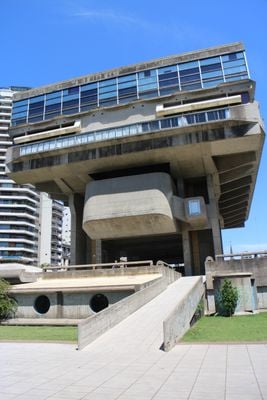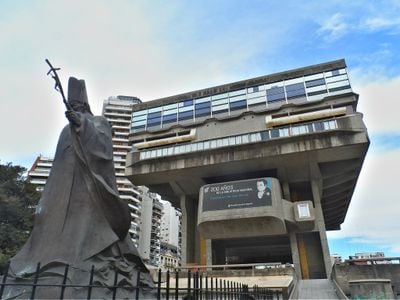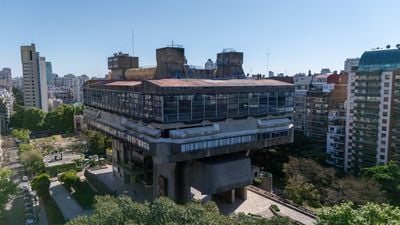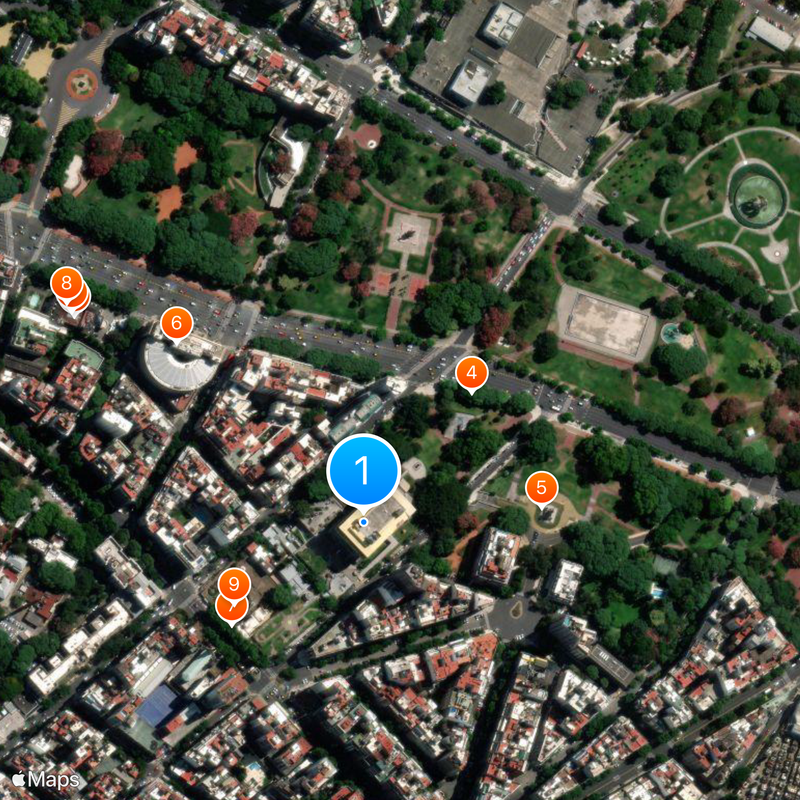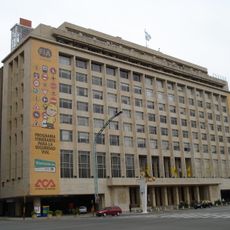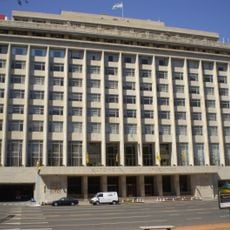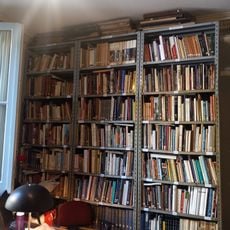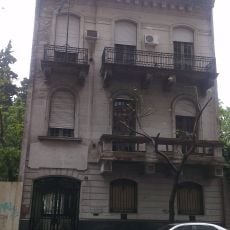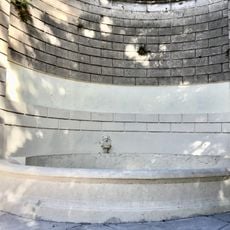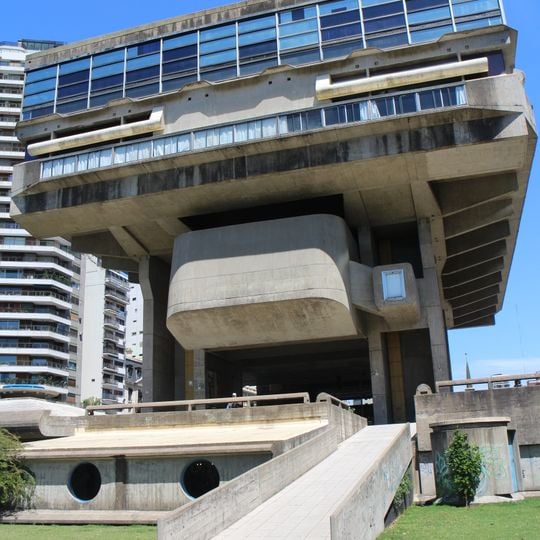
Mariano Moreno National Library, National library in Recoleta, Buenos Aires, Argentina.
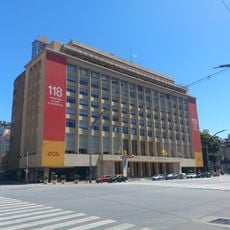
The National Library of Argentina spans six floors with three subterranean levels dedicated to book storage and nine reading rooms accommodating 940 visitors simultaneously.
Founded in September 1810 during the May Revolution, the institution began as the Public Library of Buenos Aires before transitioning to National Library status in 1884.
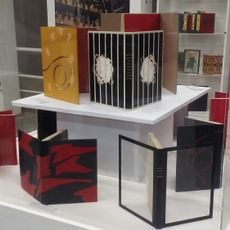
The library maintains a collection of nearly one million items including manuscripts, books, photographs, maps, musical scores, and the largest newspaper archive in Latin America.
Visitors need identification documents to enter the library, which operates in a concrete building designed by architects Clorindo Testa, Francisco Bullrich, and Alicia Cazzaniga.
The fifth-floor reading room provides views across Buenos Aires, occupying land where the former presidential residence of Juan and Eva Perón once stood.
Location: Buenos Aires
Inception: 1810
Official opening: March 16, 1812
Part of: Ministry of Human Capital of Argentina
Address: Agüero 2502 1425EID
Website: https://bn.gov.ar
GPS coordinates: -34.58444,-58.39806
Latest update: May 27, 2025 08:50
Buenos Aires reveals a patrimonial wealth that goes beyond the usual circuits. This collection gathers places that tell the story of the Argentine capital through its architecture, green spaces, and cultural institutions. From the XVIIIth-century tunnel network of El Zanjón de Granados to the 22 stories of Palacio Barolo, these sites reflect the city's urban evolution. The itinerary includes diverse sites such as Palermo's Japanese Garden with its ponds and pavilions, the Museo de Arte Español Enrique Larreta showcasing works from the Middle Ages to the 20th century, and the moving Floralis Genérica sculpture whose petals open at sunrise. Neighborhoods like San Telmo, Barracas, and Colegiales offer architectural discoveries such as 19th-century passages, facades decorated with mosaics on Calle Lanín, and the Mercado de las Pulgas filled with Argentine antiques. These locations allow exploring Buenos Aires beyond postcards and observe how the city has preserved its history while growing. Each site provides a different perspective on porteña culture, from Carlos Gardel’s tango to European and Asian influences shaping the city’s identity.
Errázuriz Palace
351 m
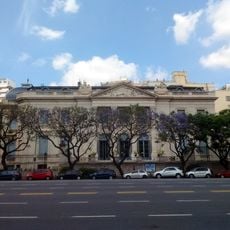
National Museum of Decorative Arts
343 m
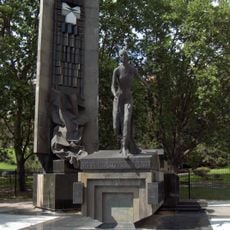
A Maria Eva Duarte de Perón by Ricardo Gianetti
160 m
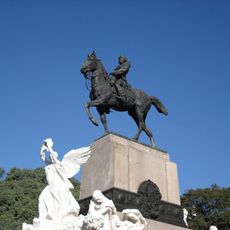
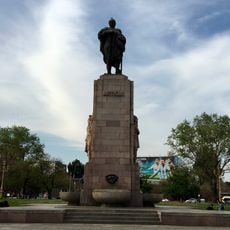
Monument to Bartolomé Mitre
170 m
Argentine Automobile Club building
247 m
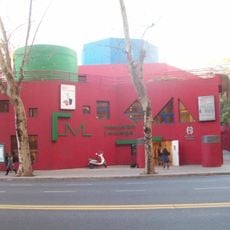
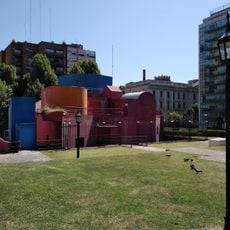
Museo del Libro y de la Lengua Horacio González
160 m
National Museum of Oriental Art
352 m
Museo del Libro y de la Lengua Horacio González
146 m
Un Café con Perón
90 m
Copy of God of Cape Artemision
387 m
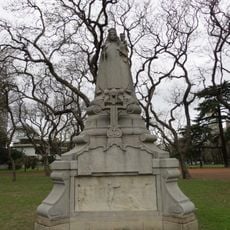
Virgen del Carmen de Cuyo
317 m
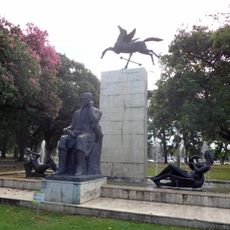
Rubén Darío
218 m
Gral. José Gervasio de Artigas
285 m
Dr. Luis Agote
352 m
Roberto Goyeneche
338 m
Monumento a Bernardo O'Higgins, Buenos Aires
388 m
Martín Miguel de Güemes
401 m
Jorge Canning
298 m
El Segador
262 m
Biblioteca - Museo Nacional de Arte Decorativo
311 m
Homenaje a Bartolomé Mitre
172 m
Gibran Khalil Gibran
258 m
Museo Del Automóvil Club Argentino
255 m
Sede central del Automóvil Club Argentino
242 m
José Mármol
164 m
Dr. Aristóbulo del Valle
147 m
Edificios de la calle Austria 2577/87/89/93 y 2601
43 m
Fuente de Poesía
106 mReviews
Visited this place? Tap the stars to rate it and share your experience / photos with the community! Try now! You can cancel it anytime.
Discover hidden gems everywhere you go!
From secret cafés to breathtaking viewpoints, skip the crowded tourist spots and find places that match your style. Our app makes it easy with voice search, smart filtering, route optimization, and insider tips from travelers worldwide. Download now for the complete mobile experience.
A unique approach to discovering new places❞
— Le Figaro
All the places worth exploring❞
— France Info
A tailor-made excursion in just a few clicks❞
— 20 Minutes