Castelli, human settlement in Argentina
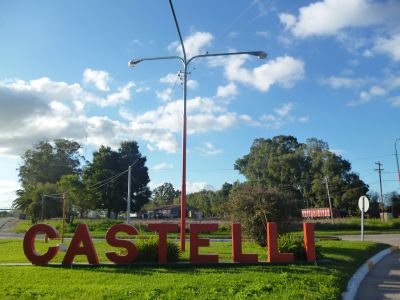
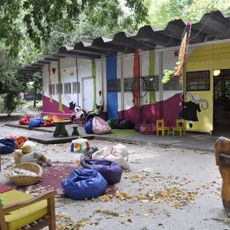
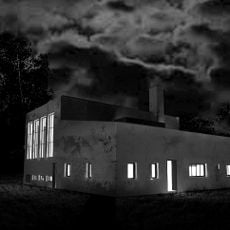
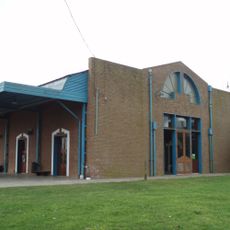
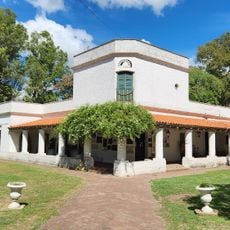
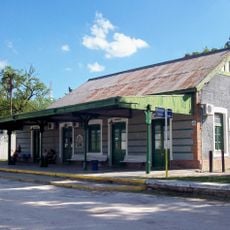
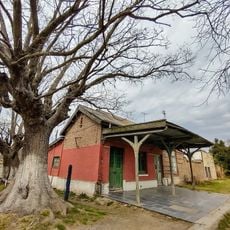
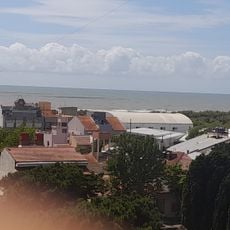
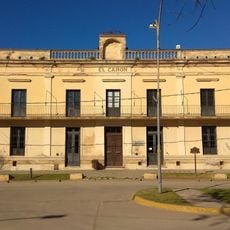
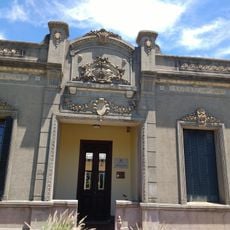
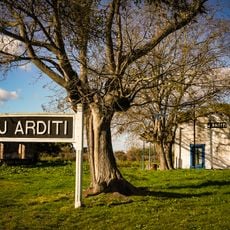
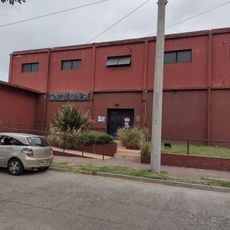
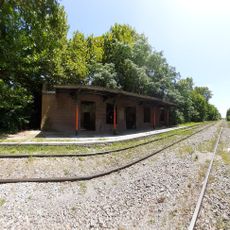
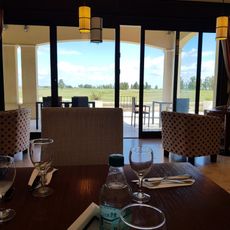
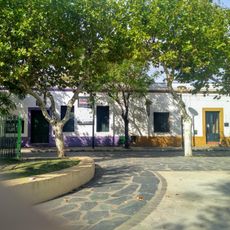
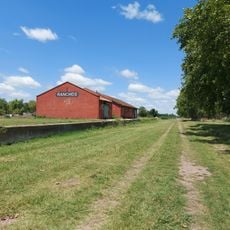
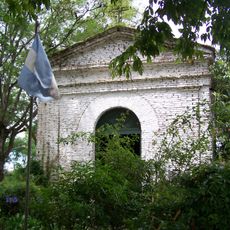
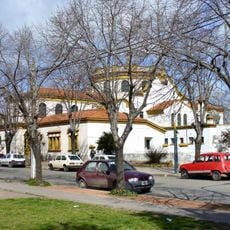
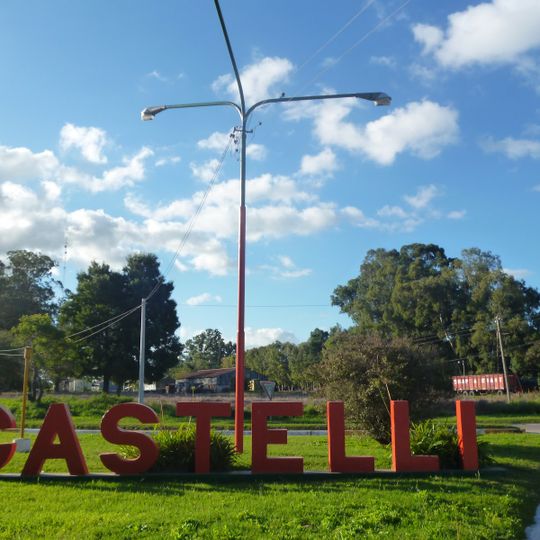
Castelli is a small town in Buenos Aires province situated in a quiet rural area known as the Salado depression, where flat land features residential buildings and tree-lined streets. The settlement combines older architecture with newer homes and offers basic services including small shops and places to eat that reflect local life.
The settlement was founded in 1883 as Centro Taillade and later renamed to honor Juan José Castelli, a politician from Argentina's independence era. The region developed primarily through cattle raising, which gradually shifted toward farming and dairy production that remain central to the local economy.
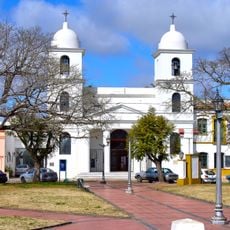
The town is named after Juan José Castelli, a figure in Argentina's early government after independence. Residents gather regularly at the local plaza and keep traditions alive through community festivals and religious celebrations that draw people from neighboring areas.
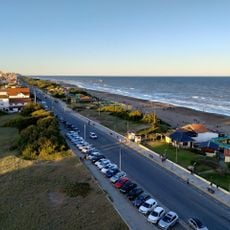
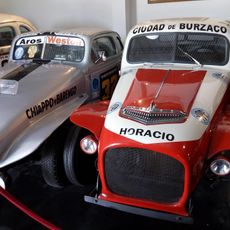
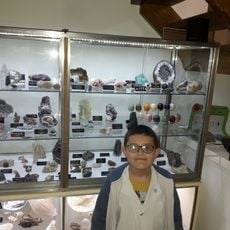
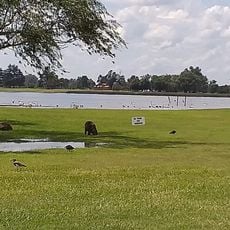
The town is located near Autovia 2, a main road that connects to Atlantic coastal areas, making it a practical stop for travelers. Small inns and lodges offer quiet accommodations, while a museum displays local history and several lakes plus the Rio Salado provide fishing opportunities and water exploration.
On the edge of Laguna La Rosita stands the Calvario, a large colorful sculpture built in the 1960s that resembles a castle and has become a symbol for local festivals. Since the late 1990s, the community performs a Passion play during Holy Week with more than 100 local actors depicting scenes from the life of Jesus by the lagoon shore.
The community of curious travelers
AroundUs brings together thousands of curated places, local tips, and hidden gems, enriched daily by 92,769 contributors worldwide.