Estancia of Alta Gracia, History museum in Alta Gracia, Argentina
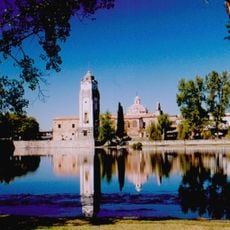
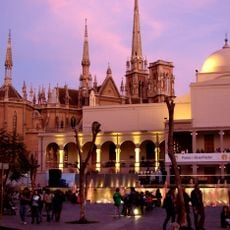
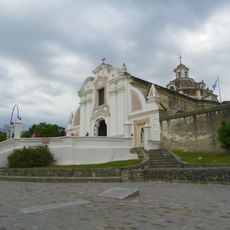
Estancia Jesuitica Alta Gracia is a colonial estate with a residence, church, and service buildings arranged as a unified complex. The structures are made of stone and show the construction methods typical of that period.
The land was granted to Juan Nieto, co-founder of Córdoba, in 1588; his heir's husband Alonso Nieto de Herrera named it Alta Gracia and, widowed in 1643, joined the Society of Jesus and donated all his goods. The Jesuits ran a cattle and mule-breeding estate supplying Potosí, with about 300 enslaved Africans working the forge, obraje, mills and orchards. After Charles III expelled the Jesuits in 1767, the Junta de Temporalidades administered it for the crown.
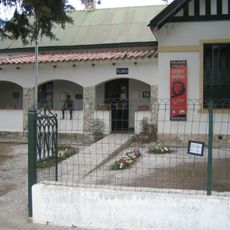
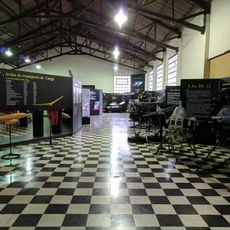
Alonso Nieto de Herrera named the estate Alta Gracia after the virgin of his native town in Spain. The museum's 17 rooms recreate the daily life of Cordobans and mountain dwellers of the 17th to 19th centuries, and in 1986 the Secretaría de Cultura de la Nación gave it the first prize as the country's most active museum.
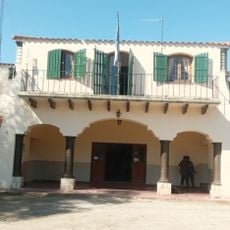
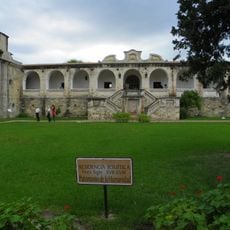
The residence and church stand around a cloistered patio at the centre of Alta Gracia; the upper floor, reached by the galleries with cross vaults and semicircular arches, holds most exhibition rooms, the auditorium and the library. The museum opened on 26 August 1977 after restoration begun in 1971, so some rooms may be closed while work continues.
The church's curved walls descending from the dome are called an exception among colonial religious buildings in Latin America. Jesuit architects Prímoli, Bianchi, Kraus and Harschl, and probably Forcada, worked on its construction. The residence forms an L around a cloistered patio, with cross vaults and semicircular arches on sturdy pillars.
The community of curious travelers
AroundUs brings together thousands of curated places, local tips, and hidden gems, enriched daily by 94,671 contributors worldwide.