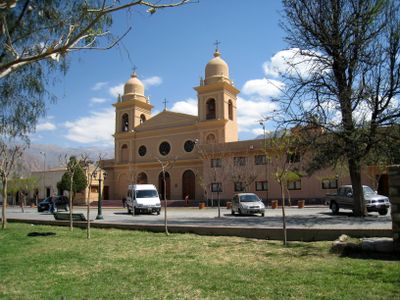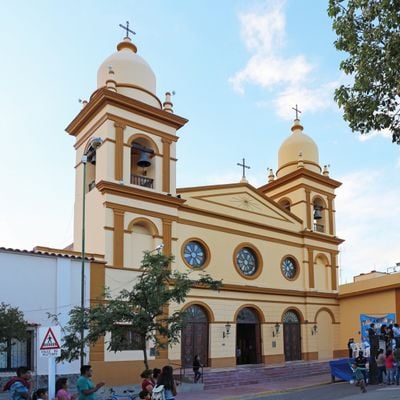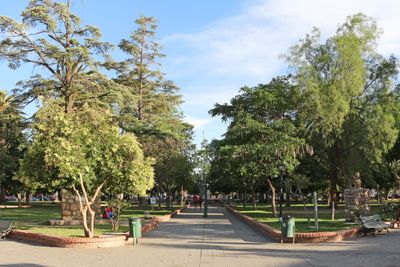
Cafayate, Wine region in Salta Province, Argentina
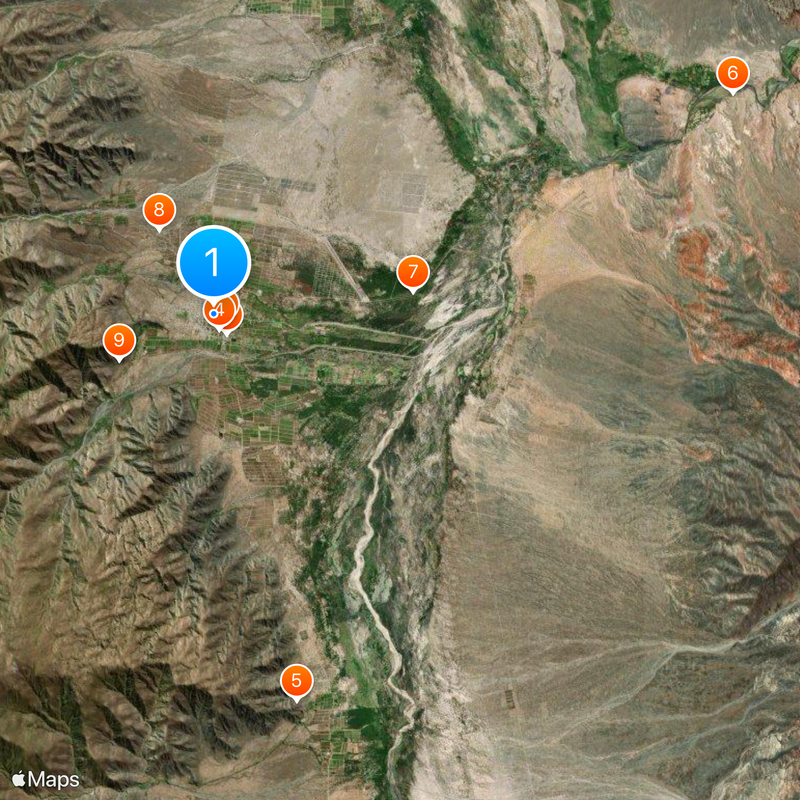
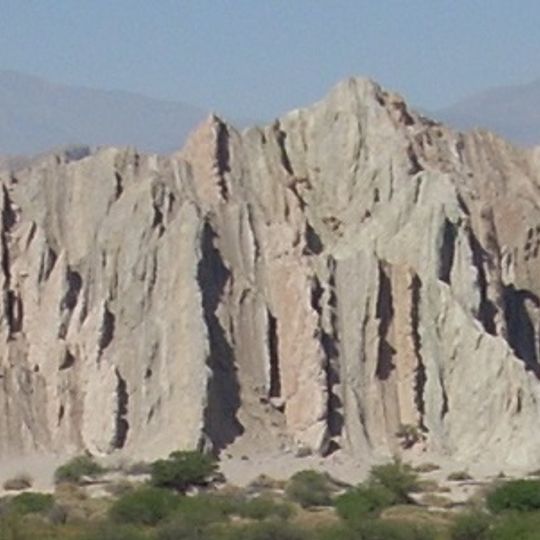
Cafayate is a city and administrative region in northwestern Argentina characterized by valleys, hillsides, and river systems. The area is known for its wine production, with estates spread across varied terrain that includes mountains and agricultural land.
The settlement was founded in 1840 and became the administrative center of its region when the department was formally created in 1863. This establishment marked a turning point in the area's development as an agricultural and wine-producing zone.
The name comes from the Diaguita-Calchaquí indigenous people who have inhabited this region for centuries. This heritage remains visible in local crafts, celebrations, and the way residents connect with the land and its resources.
The area is connected by a main road that passes through valleys and provides access to wine estates and natural attractions. Visitors should plan ahead because the terrain is hilly and exploration requires traveling across varying elevations.
An operational mill from the 18th century built by Jesuit missionaries still demonstrates traditional grain-milling methods. This working facility offers a glimpse into how farming communities once processed their crops using water-powered machinery.
The community of curious travelers
AroundUs brings together thousands of curated places, local tips, and hidden gems, enriched daily by 92,240 contributors worldwide.