Parque Criollo y Museo Gauchesco Ricardo Gu͏̈iraldes, Gaucho cultural museum in San Antonio de Areco, Argentina
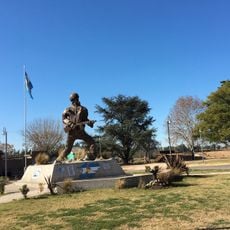
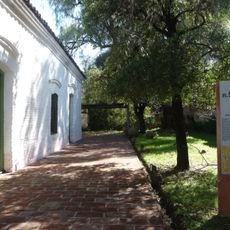
The Parque Criollo y Museo Gauchesco Ricardo Güiraldes is a national museum in San Antonio de Areco that spans large grounds and combines Spanish colonial buildings with modern exhibition spaces. It houses a broad collection of objects, manuscripts, and furniture connected to gaucho history.
The complex opened in 1938 after a 1936 exhibition at San Antonio de Areco's town hall, where José María Bustillo, provincial public works minister and a friend of Ricardo Güiraldes, admired the display. A May 1937 decree authorized the purchase of 38 hectares, later expanded to 97, for the Parque Criollo and museum. Architect Enrique Blaquier Uriburu designed the building following ideas of Enrique Udaondo, modeled on the Quinta de Pueyrredón.
The museum displays how gauchos lived through their working tools, clothing, and household items that reveal their daily routines. Visitors see how these horsemen worked and survived on the plains through the objects they used.
The complex sits within the 97-hectare Parque Criollo, with ten rooms split between two sectors, so allow time to walk from one to the other. The pulpería La Blanqueada and the museum house, both declared National Historic Monuments in 1999, are the two stops to locate first. The museum depends on the Municipality of San Antonio de Areco.
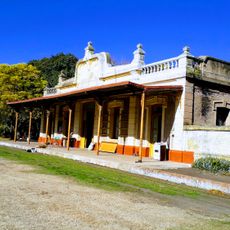
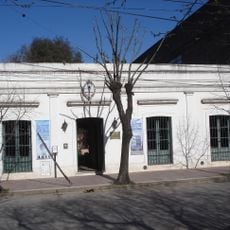
La Blanqueada is a pulpería from the first half of the 19th century, where gauchos gathered to drink, play cards, play guitar and buy yerba, flour, tobacco and alpargatas. In Don Segundo Sombra, the meeting between "Tape" Burgos and Don Segundo takes place at its counter, where young Fabio Cáceres came to trade small catfish caught under the old bridge for sweets, tobacco or coins. It was declared a National Historic Monument in 1999.
The community of curious travelers
AroundUs brings together thousands of curated places, local tips, and hidden gems, enriched daily by 93,009 contributors worldwide.