Cordillera de Sama Biological Reserve, Nature reserve in Tarija Department, Bolivia.
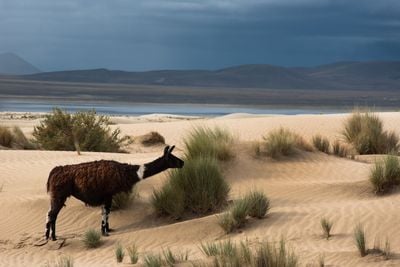
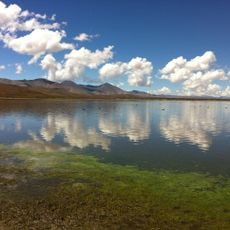
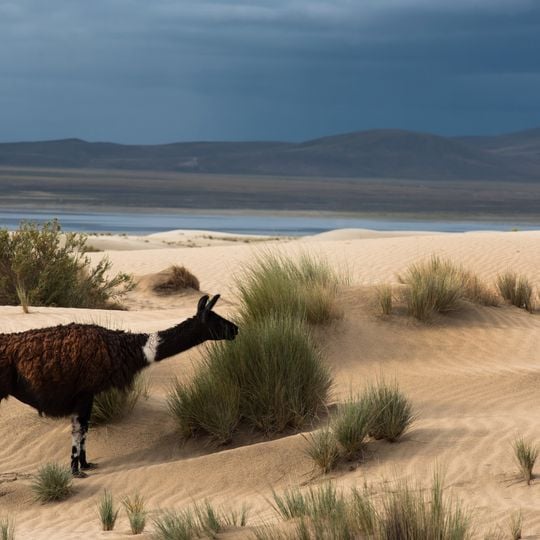
Cordillera de Sama Biological Reserve protects part of the Cordillera Oriental in western Tarija Department, across the provinces of Cercado, Eustaquio Méndez, Avilés and Arce. Its mountains run from about 1,950 m in the valleys to 4,700 m at the highest points, separating the Puna from the valleys. The high Puna holds the Tajzara basin, a fluvio-lacustrine valley with fine sand dunes and wetlands; the eastern slopes drop through steep ravines and gorges.
The reserve protects archaeological sites with pre-Hispanic ruins and rock paintings, evidence of long human presence in the cordillera. In August 2017 a poorly extinguished campfire started a blaze at Erquis Ceibal that burned for three days, consumed 14,000 hectares and killed three people, damaging the Rincón de la Victoria water reserve and the San Pedro de Sola area.
The reserve holds archaeological sites with pre-Hispanic ruins and rock paintings, evidence of long human presence in the cordillera. Farming traditions centre on native crops such as potatoes and maize, and the reserve is valued as a store of genetic resources tied to these Andean cultivars. Overgrazing by sheep and uncontrolled burning are the main pressures on the land.
The best time to visit is during the drier months when trails are easier to walk and mountain views are clearer. Bring sturdy footwear and take time to adjust to the altitude, as the air thins out significantly in the higher areas.
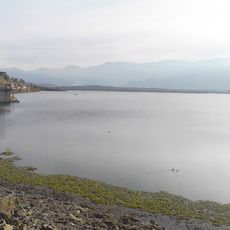
The Tajzara basin holds two permanent and three seasonal lagoons that merge into a single water sheet of about 1,300 hectares in the rainy season. The reserve's own sources list poaching of vicuña and water birds among its threats, so the birds are best watched from a distance.
The community of curious travelers
AroundUs brings together thousands of curated places, local tips, and hidden gems, enriched daily by 92,722 contributors worldwide.