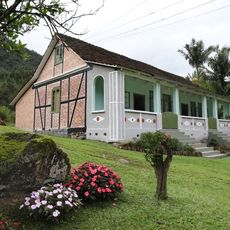
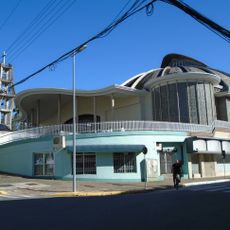
Museu Arqueológico de Sambaqui de Joinville, Archaeological museum in Joinville, Brazil
The Sambaqui Archaeological Museum in Joinville documents the life of coastal people in southern Brazil thousands of years ago through tools, bones, and other objects. The collection shows how these communities fished, ate, and lived together, all preserved in the shell mounds of the region.
Guilherme Tiburtius, born in Berlin in 1892 and settled in Brazil from 1910, assembled over twelve thousand pieces from sambaquis around Joinville between the 1940s and 1960s, recording his digs in notebooks and drawings. The municipality bought the collection in 1963, and the museum was created on 22 December 1969 by Municipal Law 1042. Its permanent building, designed and built with technical cooperation from IPHAN, opened in 1972.
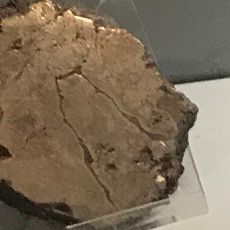
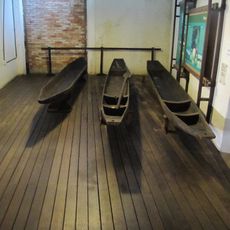
The displays show objects from daily life of prehistoric coastal people, from fishing equipment to ritual items. Visitors can see how these early communities processed their catch and practiced their beliefs through the artifacts on view.
The museum is a unit of the Fundação Cultural de Joinville. Its headquarters building, opened in 1972, was designed and built in technical cooperation with IPHAN, the national heritage institute. The museum also works to protect the city's archaeological heritage, a role reinforced by the 1990 municipal organic law.
The museum's collection began with Guilherme Tiburtius, a Berlin-born researcher who settled in Brazil in 1910. Without formal training in archaeology, he excavated and recorded shell mounds between the 1940s and 1960s, funding the work himself, and sold his more than twelve thousand pieces to the municipality in 1963.
The community of curious travelers
AroundUs brings together thousands of curated places, local tips, and hidden gems, enriched daily by 93,256 contributors worldwide.