Cananéia, Coastal municipality in São Paulo, Brazil
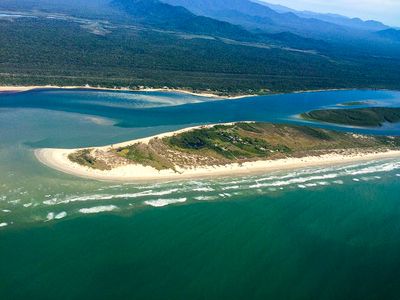
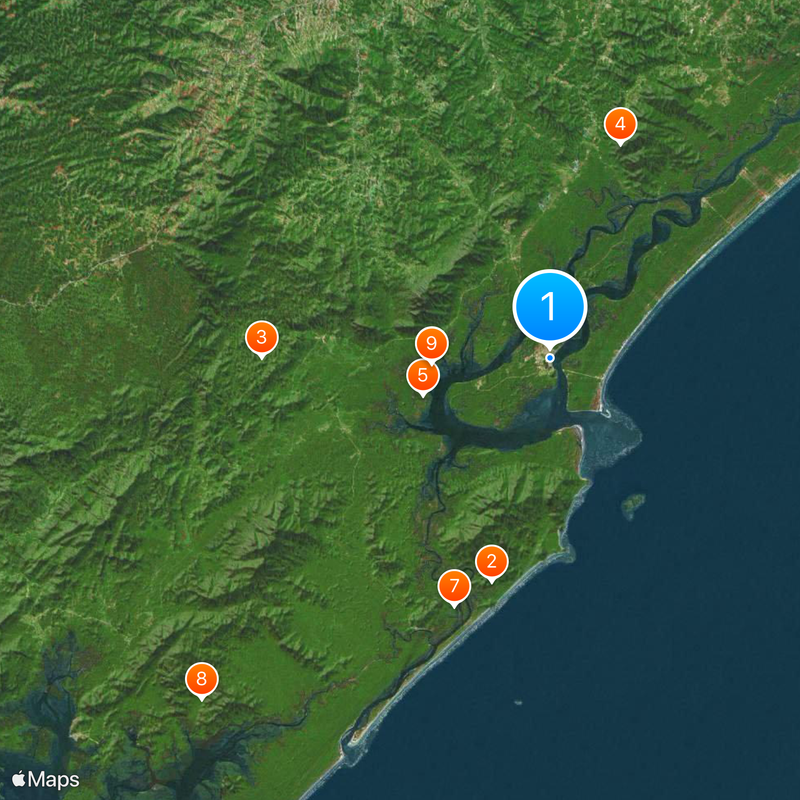
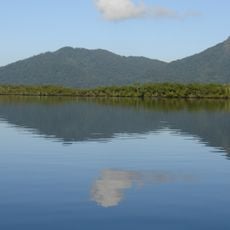
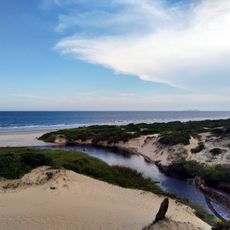
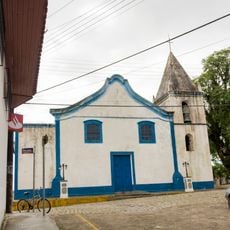
Cananéia is a coastal municipality in the southernmost part of São Paulo state in Brazil, spread across an island between the Atlantic and several river mouths. The town itself sits at the edge of a wide mosaic of mangroves, bays, and protected islands that separate the mainland from the open sea.
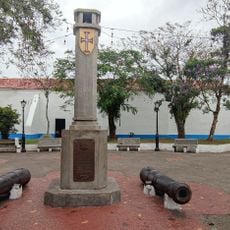
The first permanent European settlement at the site began in the early 16th century, when navigators used the bay as a stopover on routes heading south. The town later became an important port for rice and fish trade before shipping routes shifted westward.
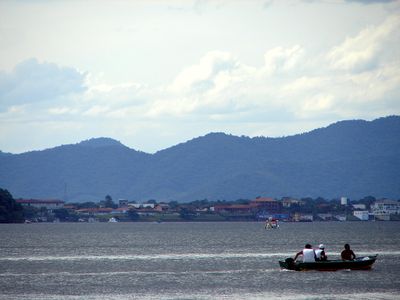
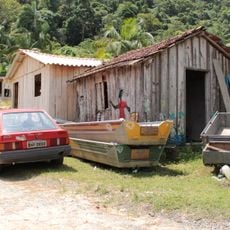
The name comes from a Tupi-language word meaning 'house of the sea,' reflecting the centuries-old bond between inhabitants and the water. Many families today still live from fishing and oyster farming, and you see boats moored at the dock or gliding through the canals everywhere.
You reach the town by ferry or bridge, and most accommodations sit in the center or along the waterfront. The weather is humid and warm, so light clothing and insect repellent are recommended, especially near the mangroves.
Tucuxi dolphins swim in the bay, a small gray species that usually appears in groups near the islands and moves between the boats. The research station of the Oceanographic Institute also studies the conservation of the mangroves, which are among the largest in Brazil.
The community of curious travelers
AroundUs brings together thousands of curated places, local tips, and hidden gems, enriched daily by 91,333 contributors worldwide.