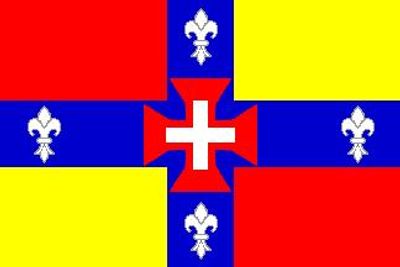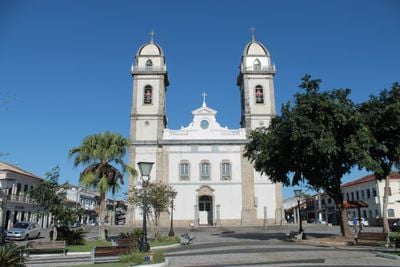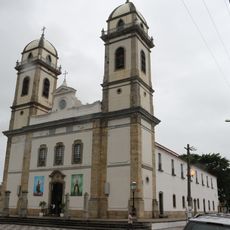
Iguape, Historical municipality in Ribeira Valley, São Paulo, Brazil
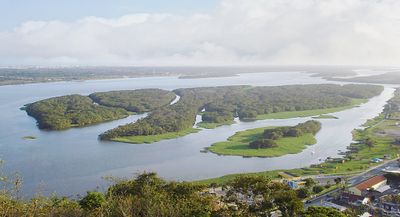
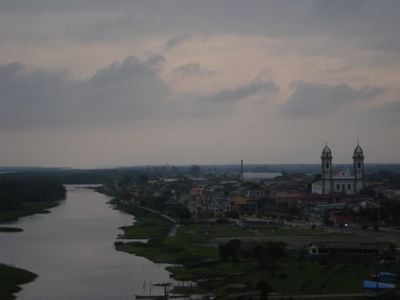
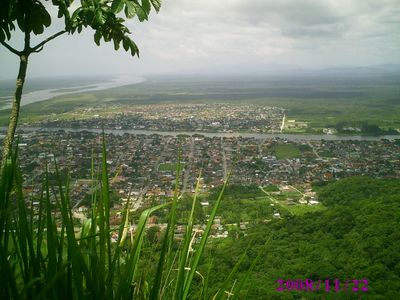
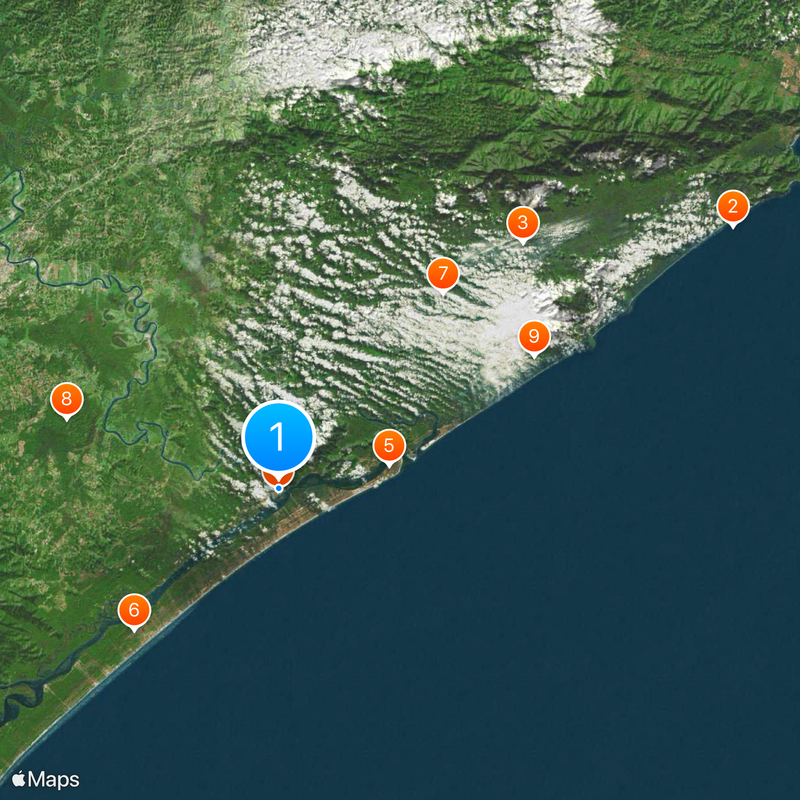
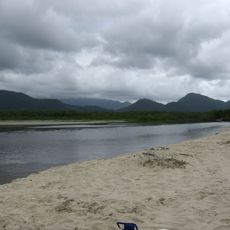
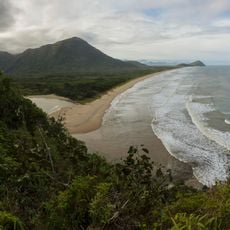
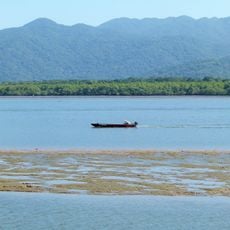
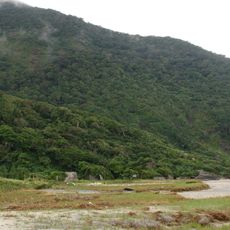
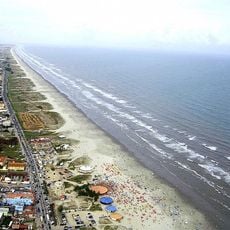
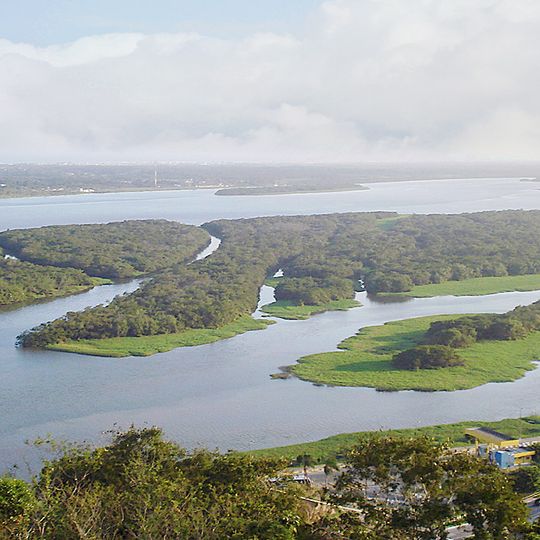
Iguape is a municipality in the Ribeira Valley along the Atlantic coast of São Paulo, situated at the mouth of the Ribeira de Iguape River. The area spreads over a wide expanse and includes forests, wetlands, and a protected ecological station.
The municipality was founded in 1538 and developed as a colonial trading center. In 1635, Brazil's first mint was established here, now operating as a museum.
The name Iguape comes from the Tupi language, meaning 'in the river cove', which reflects how indigenous peoples once described this coastal area.
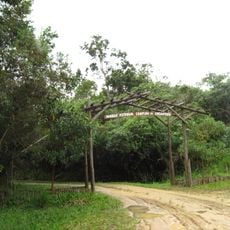
The municipality is well connected by highway to other cities in São Paulo state and is accessible by car. The area offers trails and nature outings through protected forest areas.
The Valo Grande channel was dug in 1855 to improve trade but unexpectedly transformed the local ecosystem. This intervention reshaped the landscape and influenced economic patterns in the region for generations to come.
The community of curious travelers
AroundUs brings together thousands of curated places, local tips, and hidden gems, enriched daily by 60,000 contributors worldwide.