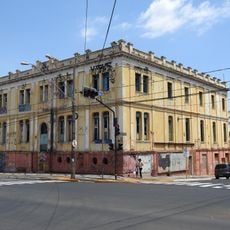
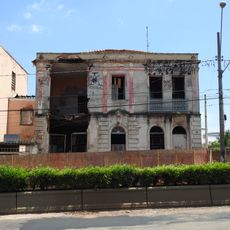
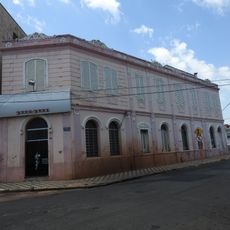
Museu de Paleontologia de Marília, Paleontology museum in Marília, Brazil
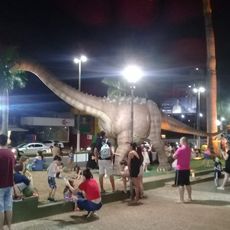
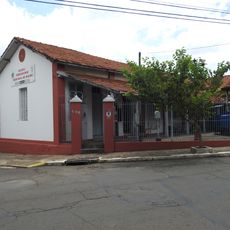
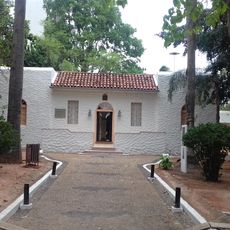
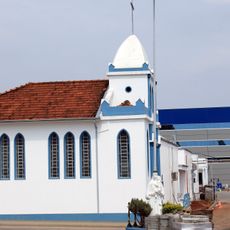
The Museu de Paleontologia de Marília is a science museum devoted only to palaeontology, opened in 2004. Its collection covers fossils 80 to 65 million years old from the late Cretaceous, including Titanosaurus bones and petrified eggs, the crocodiles Mariliasuchus amarali and Adamantinasuchus navae, and mineralised tree trunks. Outside stands a 12-metre Titanosaurus replica; a 4-metre Abelisaurus replica is inside.
The institution was established in 2004 as a result of intensive excavations carried out in the western region of São Paulo state since the early 1990s. These digs brought important understanding of the animal life that existed in this area during the Mesozoic era.
The museum is named after Marília and holds fossils of Mariliasuchus amarali and Adamantinasuchus navae, two prehistoric crocodiles whose species names honour the city and researcher William Nava. Its educational programme brings more than 5,000 students from state schools each year.
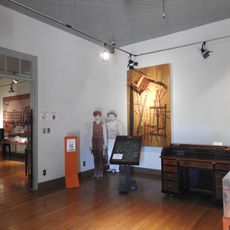
The museum reopened recently and receives visitors Tuesday to Friday from 9am to 5pm and Saturday from 1pm to 6pm, with free admission. A totem with palaeontology information, 3D virtual-reality glasses and QR codes are available to the public.
The museum preserves the holotype of a bird species that reveals a link between the earliest flying animals and modern birds. This particular specimen shows how research conducted in Brazil contributes to worldwide knowledge about evolution.
The community of curious travelers
AroundUs brings together thousands of curated places, local tips, and hidden gems, enriched daily by 94,309 contributors worldwide.