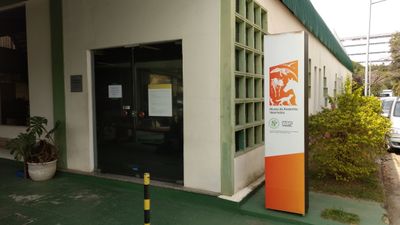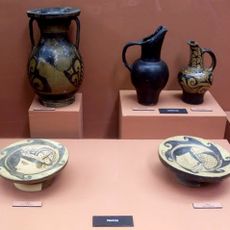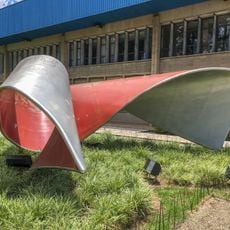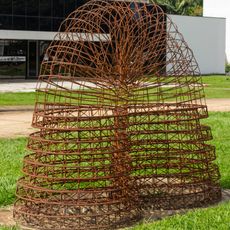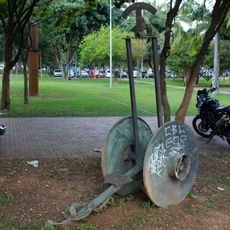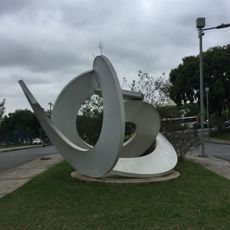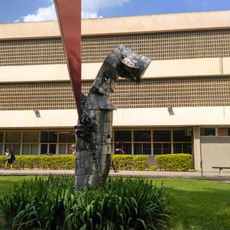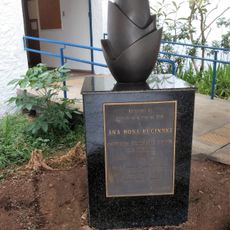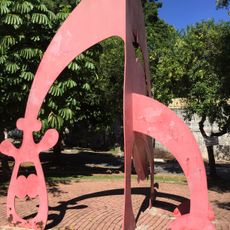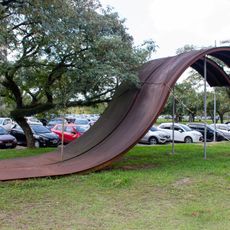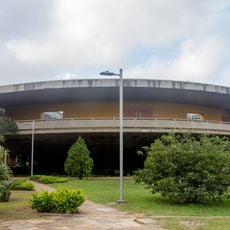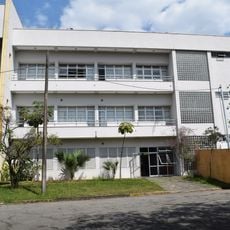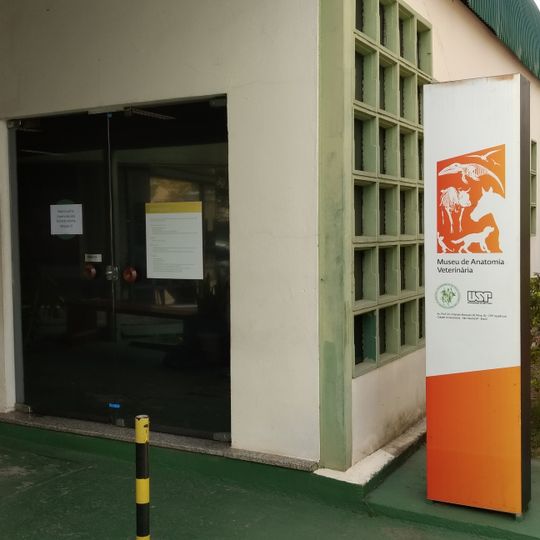
Museum of Veterinary Anatomy FMVZ USP, Veterinary anatomy museum at University of São Paulo, Brazil.
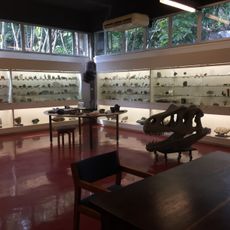
The Museum of Veterinary Anatomy Prof. Dr. Plínio Pinto e Silva, at FMVZ-USP, holds about 2,000 specimens: taxidermied animals, skeletons, organs and didactic models. Most are mammals, including aquatic, flying, marsupial, carnivore, rodent, horse, cattle, pig and primate species, plus humans; amphibians, fish, birds and reptiles are also shown. A giant Indian elephant skeleton and the rhino Cacareco are highlights.
The collection was assembled over decades by teachers, staff and students of the Faculty of Veterinary Medicine and Animal Science, and was used only in classes until the museum opened to the public in 1984. It is named after Prof. Dr. Plínio Pinto e Silva (1912-2005), a veterinarian and pioneer in obtaining the associate professor title at the faculty. The museum closed between 2004 and 2008 for the transfer of the FMVZ headquarters within the Cidade Universitária campus.
The museum receives about 7,600 visitors a year, roughly 80% of them school groups, mostly high school students. It also draws older groups and university students through extension and monitoring projects. On 17 October 2015, during USP's Virada Científica, the museum launched a 58-page illustrated teacher's guide for elementary schools.
The museum welcomes visitors on weekdays and Saturday mornings, with longer hours available during the week. It is worth checking ahead if special guided tours or group visits can be arranged.
The collection includes the skeleton of Cacareco, a female rhinoceros that received 100000 protest votes in the 1959 São Paulo municipal election. This unusual story shows how an animal became a local legend.
The community of curious travelers
AroundUs brings together thousands of curated places, local tips, and hidden gems, enriched daily by 92,892 contributors worldwide.