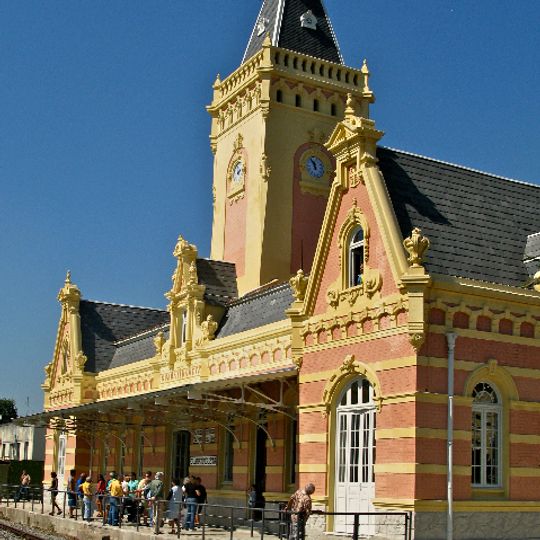
Guaratinguetá, City center in São Paulo, Brazil
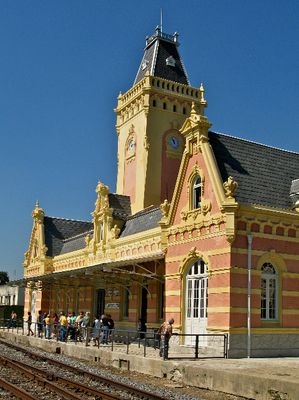
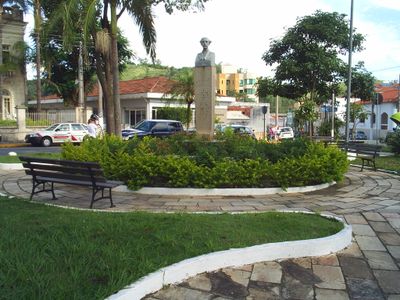
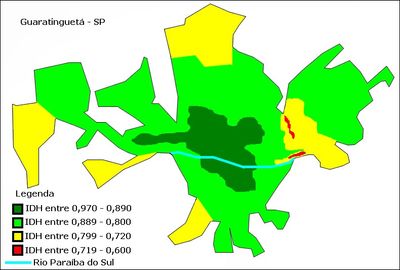
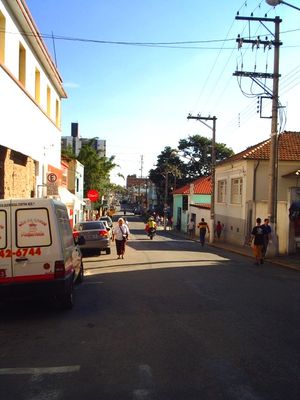
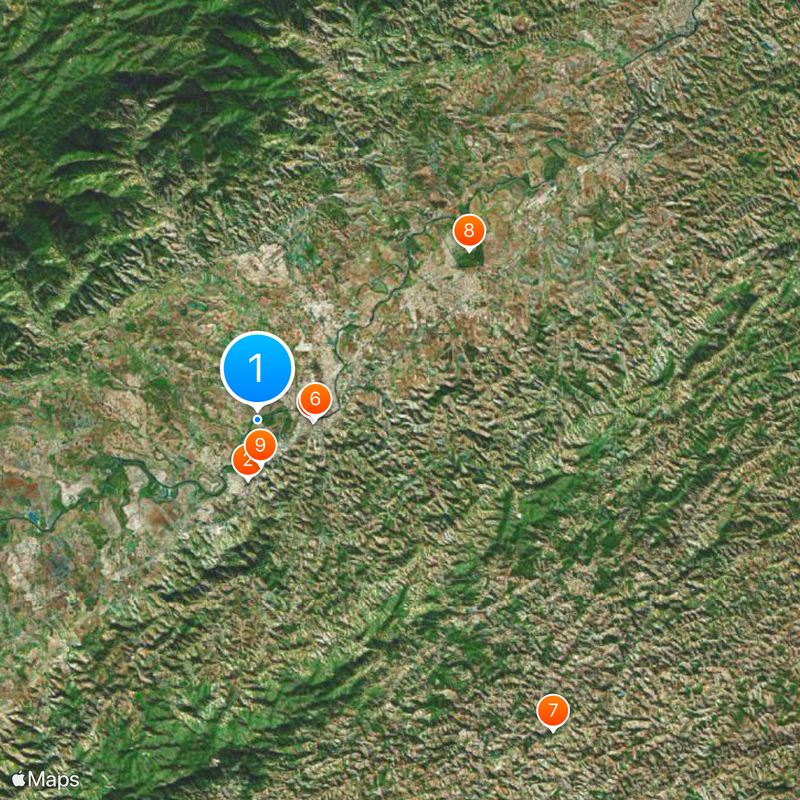
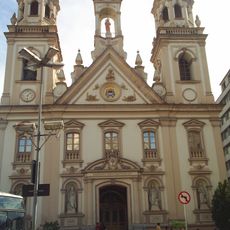
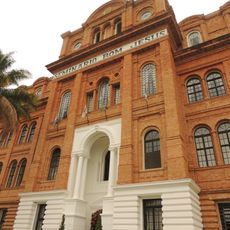
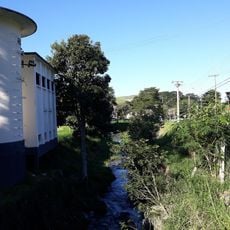
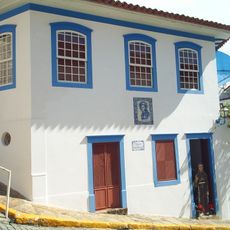
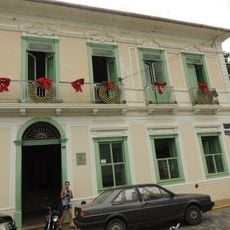
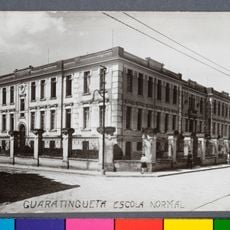
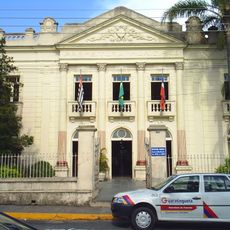
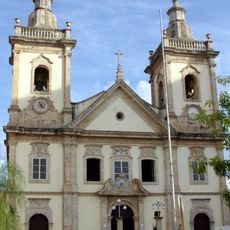
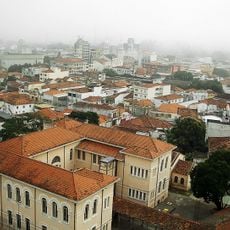
Guaratinguetá is a town in São Paulo state that spreads at the foot of the Mantiqueira Mountains and sits at an elevation of around 530 meters (1,740 feet) above sea level. The center mixes colonial architecture with modern buildings and is crossed by wide streets that lead down toward the Paraíba do Sul river.
Portuguese settlement began on June 13, 1630, when Jacques Felix and his children built a chapel that marked the start of the town. Over the centuries, the place grew into an important stop on the route between Rio de Janeiro and São Paulo.
The name comes from Tupi language words gûyra, tinga, and etá, which together describe a place where white herons gather. These birds were once common in the region and shaped the appearance of the river landscape before European settlers arrived.
The center is easy to explore on foot, with most public buildings and churches clustered close together along the main streets. A small airfield and several rail connections make arriving from larger cities straightforward.
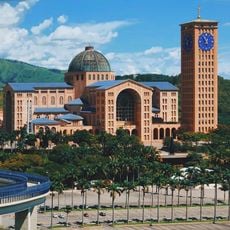
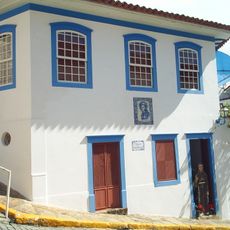
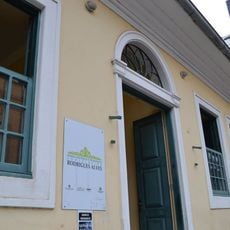
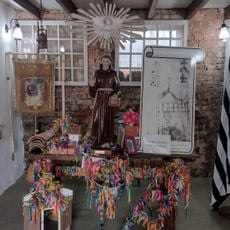
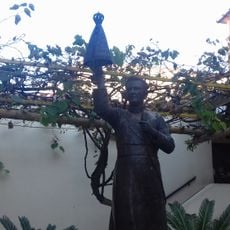
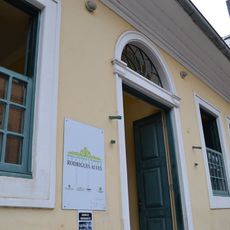
This is the birthplace of Frei Galvão, the first native Brazilian to be declared a saint by the Catholic Church. Francisco de Paula Rodrigues Alves, who served twice as president of the country, also came from this town and played a major role in modernizing Brazil in the early 20th century.
The community of curious travelers
AroundUs brings together thousands of curated places, local tips, and hidden gems, enriched daily by 91,261 contributors worldwide.