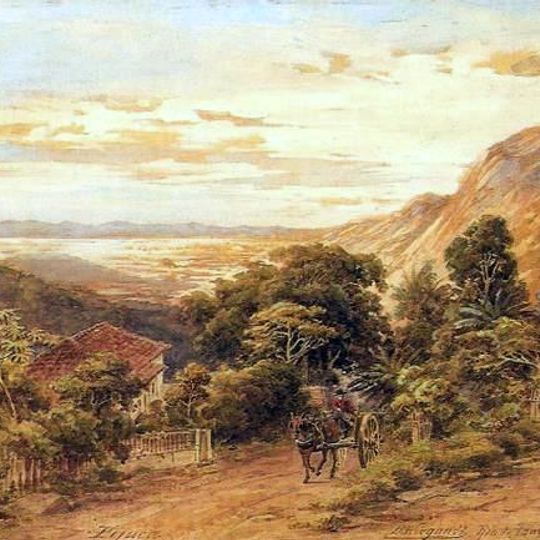
Tijuca, Residential district in North Zone, Rio de Janeiro, Brazil.
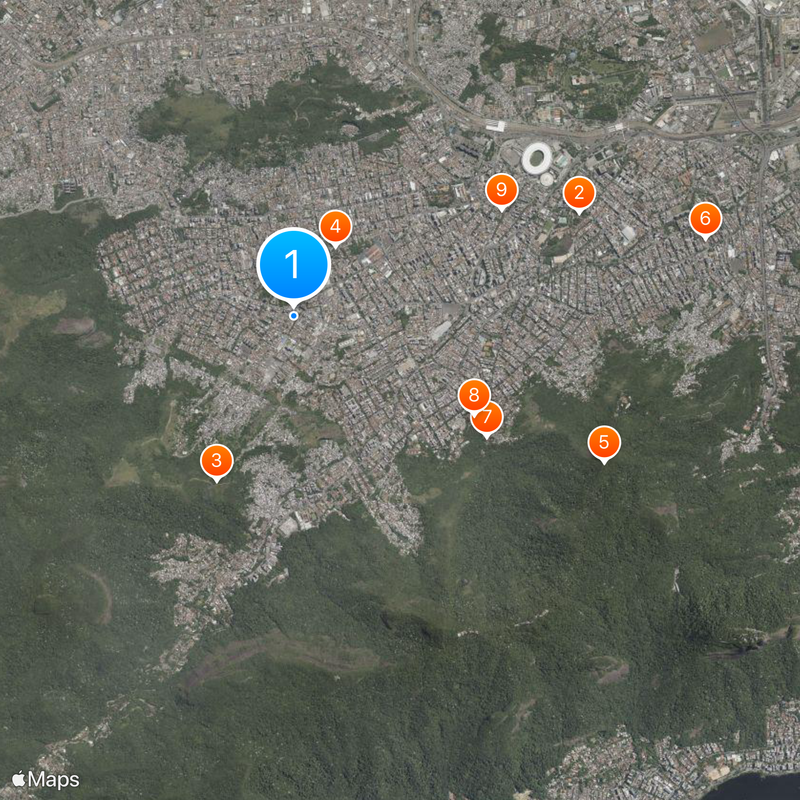
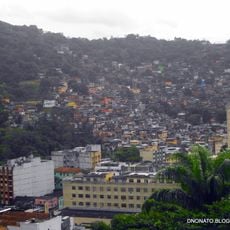
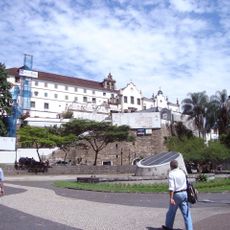
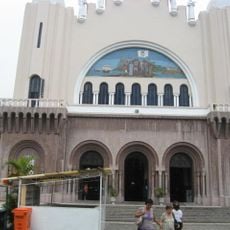
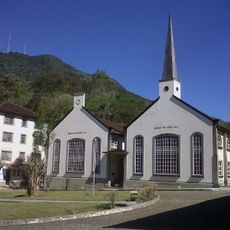
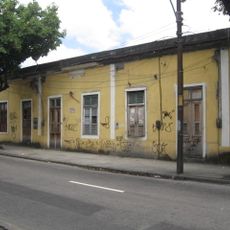
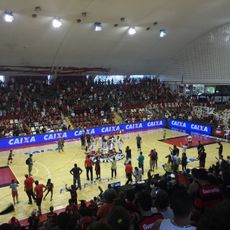
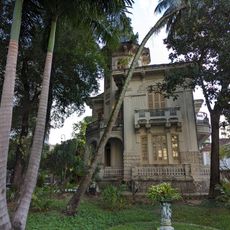
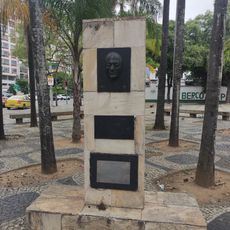
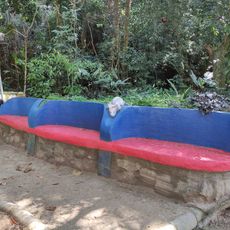
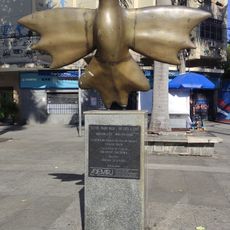
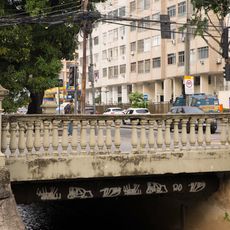
Tijuca is a residential neighborhood in Rio de Janeiro's North Zone that spans both urban and forested areas with a mix of housing, shops, and the central Praça Saéz Peña square. The district blends developed streets with green spaces, creating a varied landscape where residents and visitors move between commercial and natural environments.
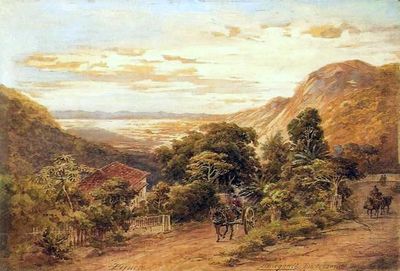
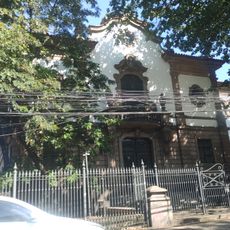
The area began as coffee plantations during the early colonial period before becoming a residential neighborhood for Portuguese immigrants and military families. This shift from agricultural land to urban settlement shaped the district as it exists today.
Three samba schools—Salgueiro, Imperio da Tijuca, and Unidos da Tijuca—are based in the neighborhood and represent the local community's deep connection to carnival traditions. These schools serve as gathering places where residents prepare their performances and maintain the music and dance heritage that defines the city's celebration.
The neighborhood connects well to Rio's transportation network through multiple subway stations and bus lines serving different parts of the city. Visitors can easily navigate the area and move between its residential streets and green spaces.
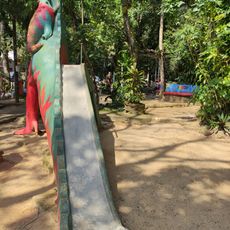
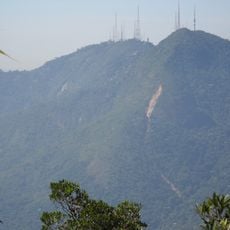
Within the neighborhood sits the Tijuca Forest, one of the world's largest urban forests with hiking trails and outdoor recreation opportunities. This wooded area offers visitors an unexpected escape into nature while remaining within the city boundaries.
The community of curious travelers
AroundUs brings together thousands of curated places, local tips, and hidden gems, enriched daily by 92,652 contributors worldwide.