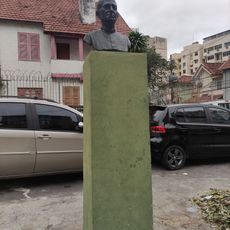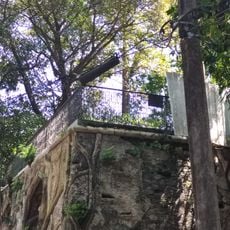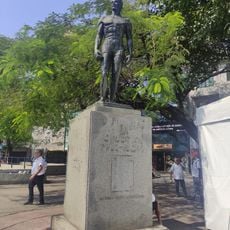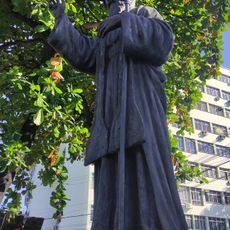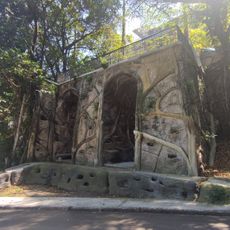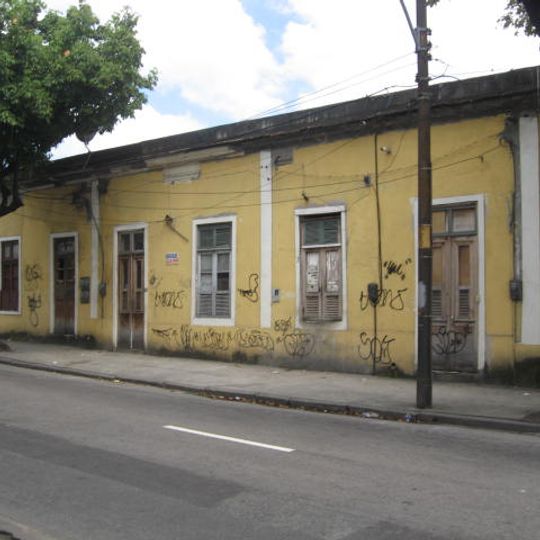
Aldeia Campista, Residential sub-district in Rio de Janeiro, Brazil
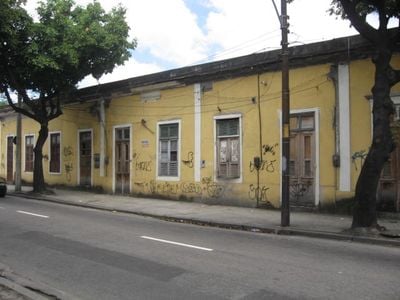
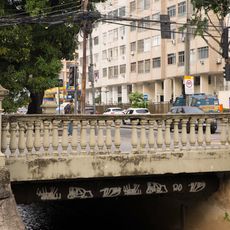
Aldeia Campista is a residential neighborhood in Rio de Janeiro characterized by narrow streets and houses alongside apartment buildings mostly from the 1950s. The tightly arranged structures reflect the urban growth patterns of that era.
The district was founded in 1897 by Domingos Pereira Nunes, a sugar mill owner from Campos, who divided his land between the Tijuca and Vila Isabel neighborhoods. This original subdivision shaped the boundaries that remain visible today.
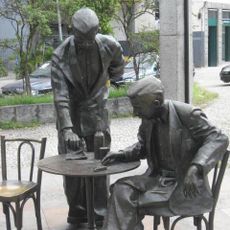
The three factory whistles from the Confiança textile mill found their way into local musical compositions by Brazilian musician Noel Rosa. These sounds became woven into the identity of the neighborhood, linking industrial life to artistic expression.
The area connects easily to nearby neighborhoods through streets like Gonzaga Bastos, Agostinho Menezes, and Ribeiro Guimarães. It is best explored on foot due to the narrow streets and compact layout.
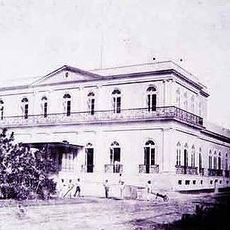
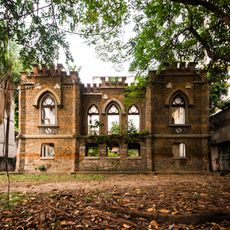
A workers' housing complex from the late 19th century survives between Tijuca, Maracanã, Andaraí, and Vila Isabel, displaying industrial-era architecture. This settlement pattern allowed laborers to live within walking distance of their factories.
The community of curious travelers
AroundUs brings together thousands of curated places, local tips, and hidden gems, enriched daily by 91,360 contributors worldwide.