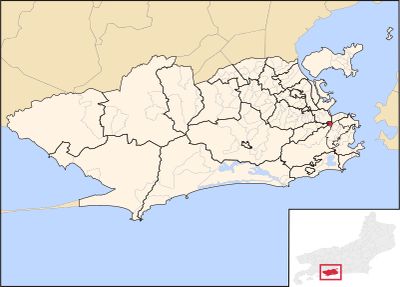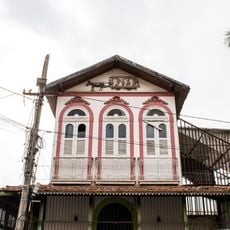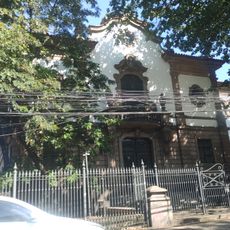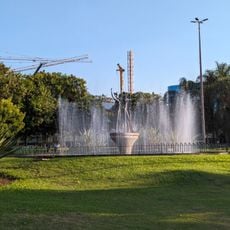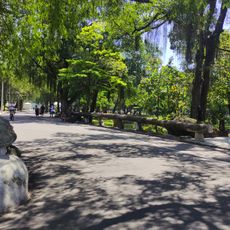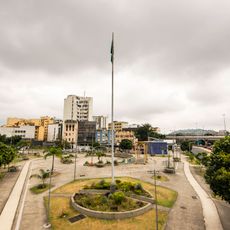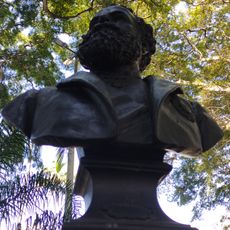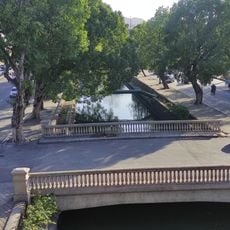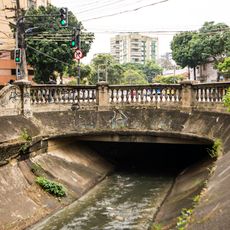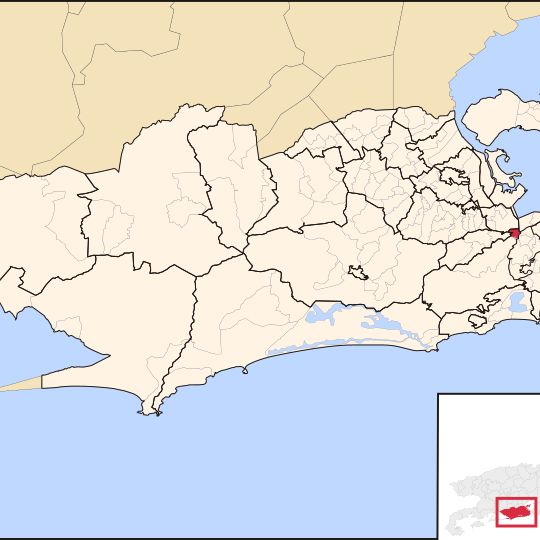
Praça da Bandeira, Administrative neighborhood in Grande Tijuca, Rio de Janeiro, Brazil.
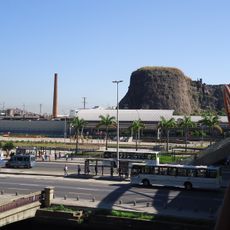
Praça da Bandeira is a residential neighborhood in northern Rio de Janeiro situated at a junction where major transportation routes converge. It serves as a connecting point between the city's northern, southern, and central zones through its strategic position along key transit corridors.
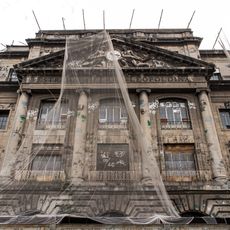
The area started to develop in the 1920s with residential houses and experienced a second growth period in 1933 following construction of Avenida Presidente Vargas. This major street transformed the neighborhood's layout and sparked a shift toward apartment buildings and urban growth.
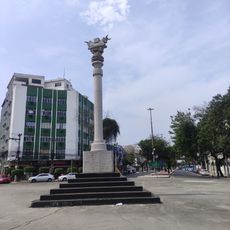
The neighborhood takes its name from a square where the Brazilian flag was first raised on November 19, 1889. This location remains a focal point where residents and visitors connect with that patriotic moment.
The neighborhood has three metro stations, a train station, and numerous bus stops providing direct connections across all parts of Rio de Janeiro. This variety of transit options makes it straightforward for visitors and residents to reach other areas of the city.
The location was equipped with five large water reservoirs to manage chronic flooding issues from its past. This infrastructure shows how the city adapted to natural challenges and remains part of the neighborhood's water management system today.
The community of curious travelers
AroundUs brings together thousands of curated places, local tips, and hidden gems, enriched daily by 60,000 contributors worldwide.