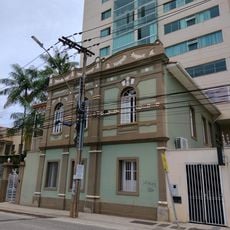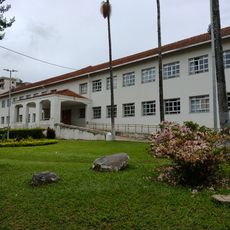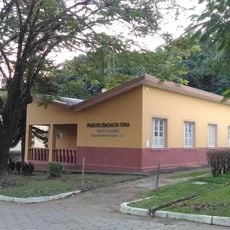
Ponte Nova, Municipality in central-eastern Minas Gerais, Brazil.
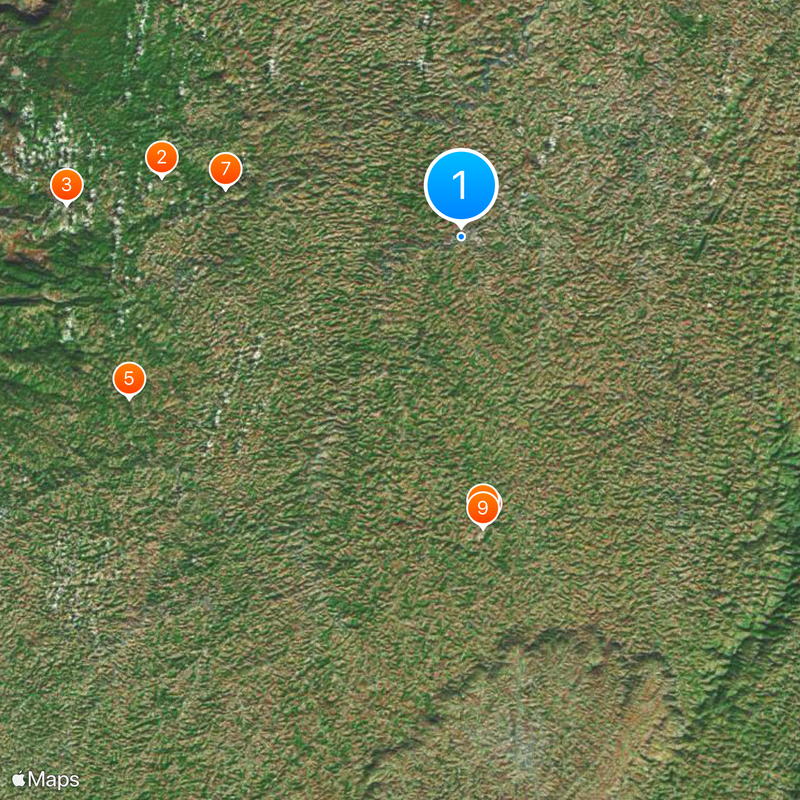
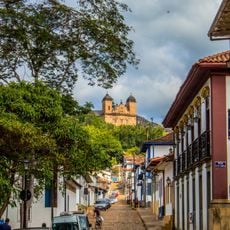
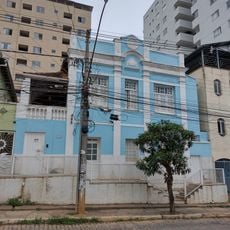
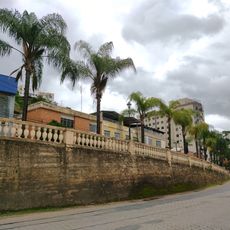
Ponte Nova is a municipality in central-eastern Minas Gerais with a mixed landscape of built areas and agricultural land. The town sits on hilly terrain at an elevation of roughly 570 meters, with surrounding fields and rural zones forming much of its territory.
The settlement began in 1755 as scattered farms and gradually developed into a chapel serving the local community. It became a municipality in 1866 and later became known for sugar cane production, which shaped its economy for generations.
The place is rooted in agricultural traditions that shape how locals live and work, with sugar cane farming playing a central role in everyday life. These practices connect people to the land in ways that remain visible in how the community is organized.
The municipality is accessible by car and regional buses that connect to surrounding areas. Main services and civic facilities are concentrated in the downtown area, making it practical to visit or conduct business in a compact zone.
A sugar cane mill opened here in 1885, becoming the first of its kind in the state and spurring local industrial growth. This early venture helped establish the region as a key production hub that would influence its development for decades.
The community of curious travelers
AroundUs brings together thousands of curated places, local tips, and hidden gems, enriched daily by 92,377 contributors worldwide.