Santana Formation, Geological formation in Pernambuco, Brazil
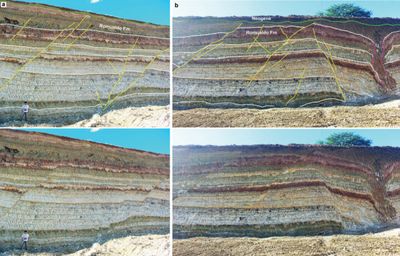
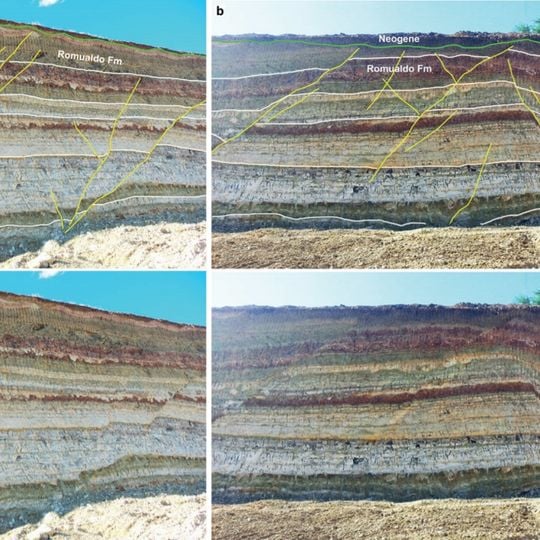
The Santana Formation is a geological layer in the Araripe Basin of northeastern Brazil composed of horizontal limestone beds mixed with clay, silt, and sand layers. These strata contain abundant fossilized remains of pterosaurs, fish, insects, and plants from the Early Cretaceous period.
The formation was first documented in 1819 by Johann Baptist von Spix, who noted fossil fish preserved in limestone nodules. Since then it has become central to understanding early Cretaceous life in South America.
The local name refers to a distant settler named Santana, though today the formation is known mainly for its role in paleontological research and education across the region.
Visitors can explore designated excavation areas and observe ongoing paleontological fieldwork. The best time to visit is during the dry season when paths remain accessible and conditions are most favorable for outdoor exploration.
The limestone nodules formed around dead organisms preserved soft tissues with exceptional clarity, allowing scientists to examine gut contents and organ details. This reveals ancient feeding patterns and predator-prey interactions that fossils elsewhere rarely show.
The community of curious travelers
AroundUs brings together thousands of curated places, local tips, and hidden gems, enriched daily by 92,488 contributors worldwide.