Lajedo de Soledade, Archaeological site in Apodi, Brazil
Lajedo de Soledade is a limestone formation in Apodi, Brazil, that spans across a large area and features caves, ravines, and rock shelters where water collects during rainy seasons. The landscape consists of fractured rock terrain with various levels that are walkable when exploring the site.
The limestone bedrock formed around 90 million years ago when shallow seas covered the region, creating the largest limestone exposure in the Potiguar Basin. Excavations in the 1990s uncovered fossil remains of giant sloths and enormous armadillos from much later periods.
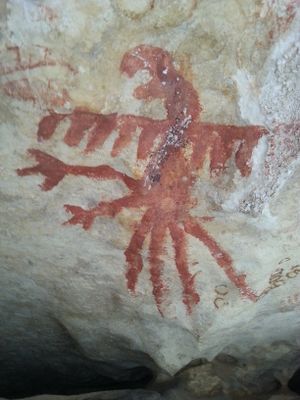
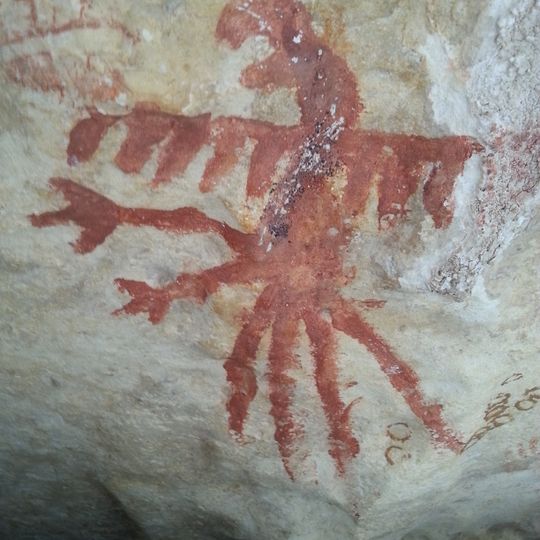
The rock walls feature red, yellow, and black prehistoric paintings scattered across the site, reflecting how ancient communities used this place for their rituals and daily practices. These artworks provide a window into the lives and beliefs of those distant times.
The visit requires appropriate footwear for uneven terrain and the ability to navigate different elevation levels, as the site consists of rock scrambling sections. Visitors should bring sufficient water, especially on warmer days, and explore the location during more stable weather.
Paleontological excavations revealed remains of Pleistocene megafauna, including giant sloths and armadillos, buried beneath the rock layers. These discoveries show that large animals and human populations shared this region for extended periods.
The community of curious travelers
AroundUs brings together thousands of curated places, local tips, and hidden gems, enriched daily by 92,479 contributors worldwide.