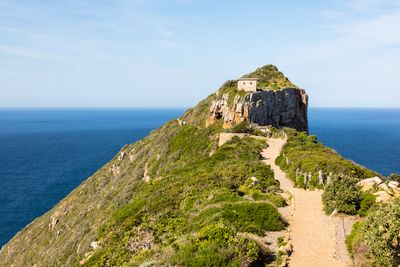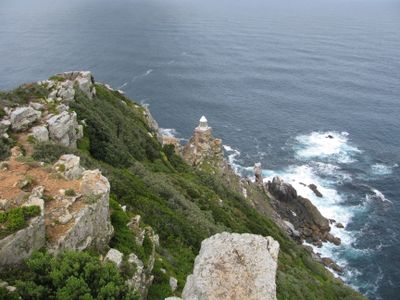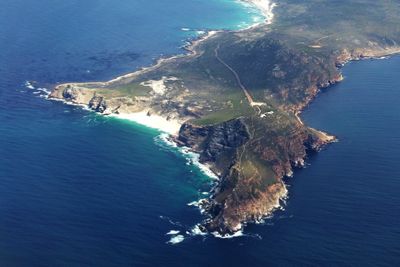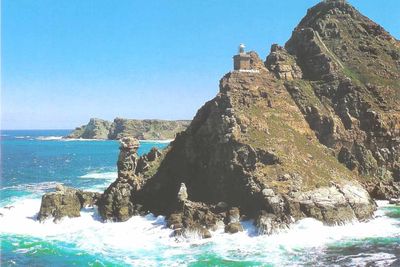
Cape Point, Rocky headland at Table Mountain National Park, South Africa
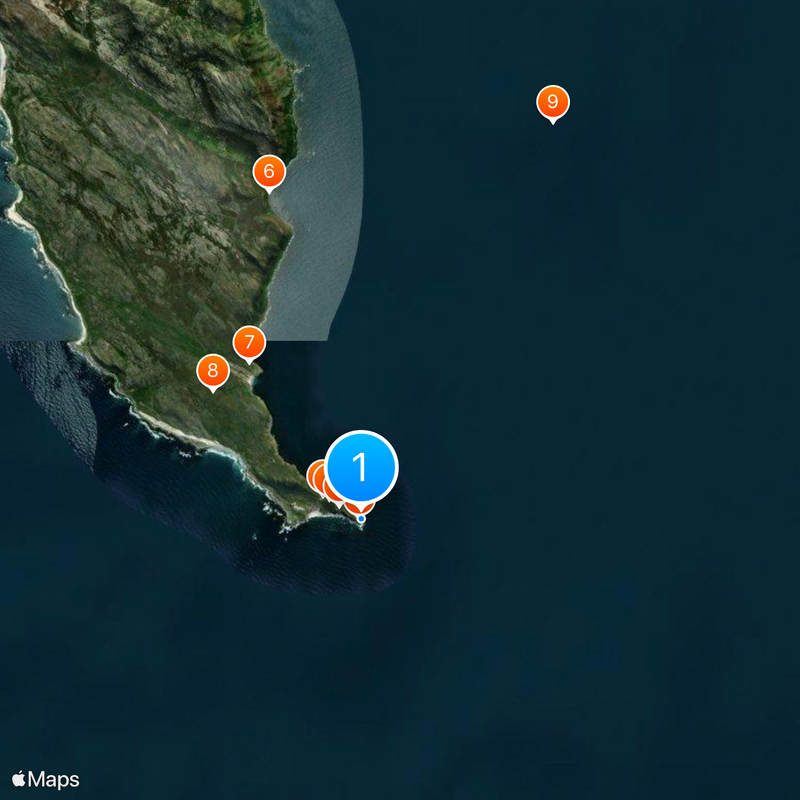
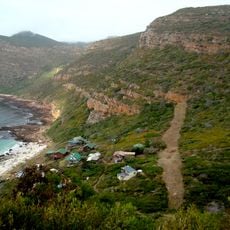
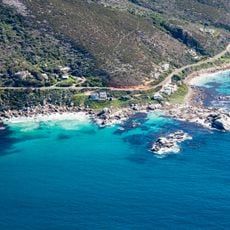
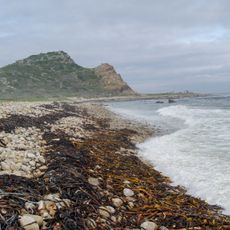
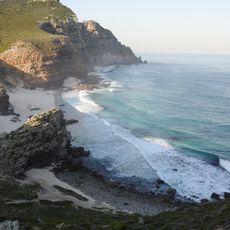
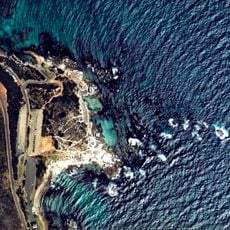
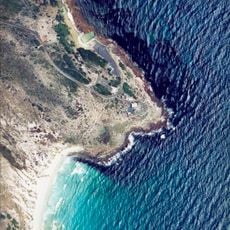
Cape Point is a rocky headland that forms the southwestern tip of the Cape Peninsula, rising about 8 meters above sea level. From this location, you can see two different ocean views simultaneously: the Atlantic on one side and the Indian Ocean on the other.
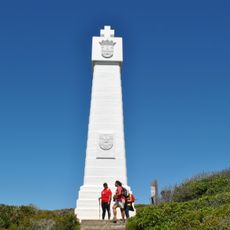
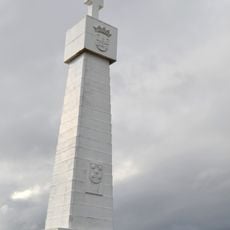
Portuguese explorer Bartolomeu Dias reached this location in 1487 and documented it as a crucial point for ships sailing around the African continent. Later, other navigators confirmed its importance as a major turning point for European trade routes heading east.
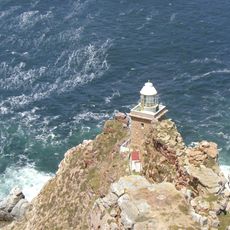
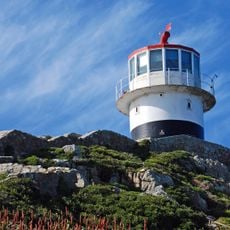
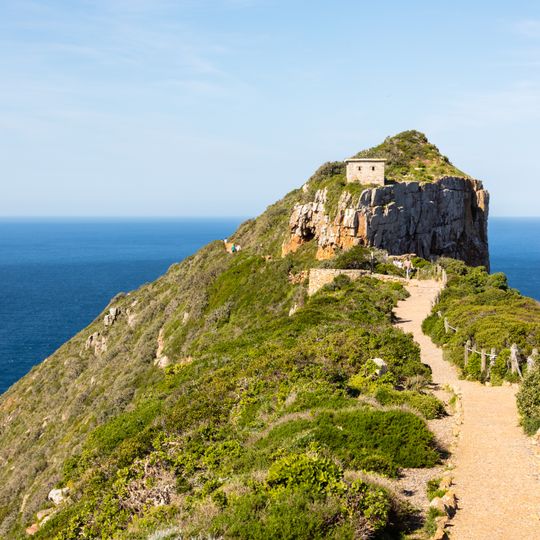
The lighthouse at Cape Point, constructed in 1859, represents South Africa's maritime heritage and continues operating as a navigational aid for ships.
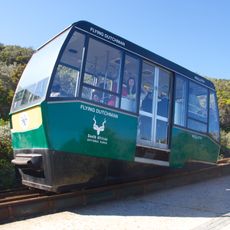
Access to the headland is through walking trails that cross the nature reserve, with viewing platforms positioned at key spots for safety and clear sightlines. Early morning or late afternoon visits often provide the clearest views and the fewest crowds.
Two major ocean currents meet near this headland: the cold Benguela current from the Atlantic and the warm Agulhas current from the Indian Ocean. You can sometimes see where these waters meet, marked by a visible line of differing water colors.
The community of curious travelers
AroundUs brings together thousands of curated places, local tips, and hidden gems, enriched daily by 91,941 contributors worldwide.