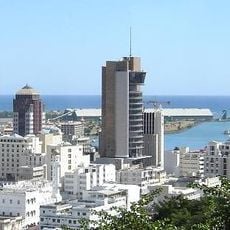
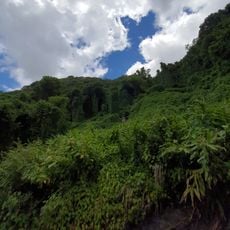
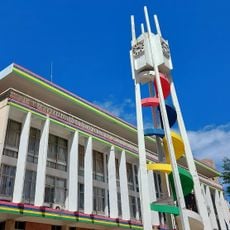
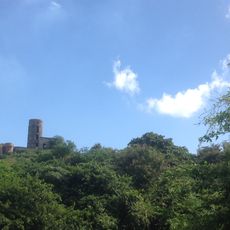
Dutch Mauritius, Colonial settlement in Mauritius Island, Indian Ocean.
Dutch Mauritius was a colonial settlement established by the East India Company from 1638 to 1710, serving as a strategic port between Africa and Asia. The colony developed through ebony wood extraction and sugar cane agriculture, transforming the island's landscape and society.
The Netherlands took control of the island in 1638 as a trading post and expanded it during 72 years as an outpost of their commercial empire. Settlement ended in 1710 when economic hardship and environmental deterioration led to the colony's abandonment.
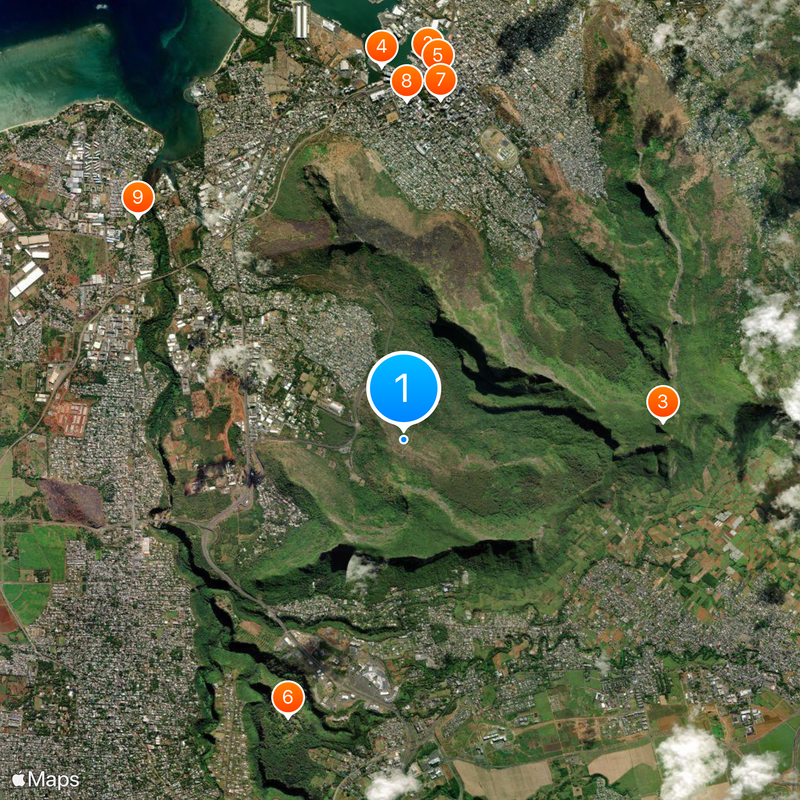
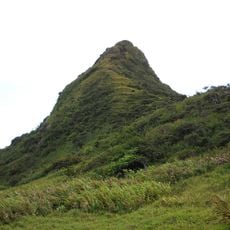
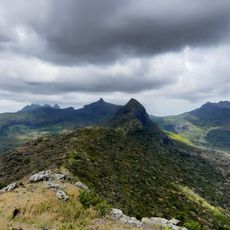
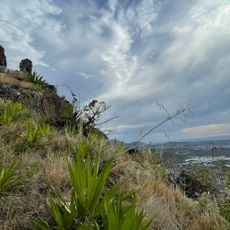
Dutch naming practices shaped the island's geography, with landmarks like Pieter Both mountain preserving the settlers' language and heritage. Local place names and agricultural traditions established during this era remain part of the island's character today.
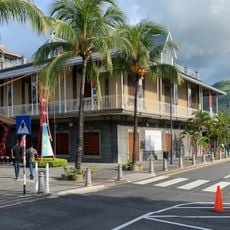
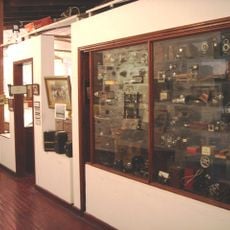
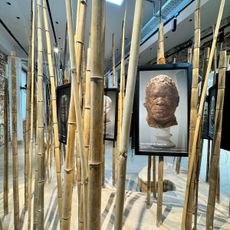
The Frederik Hendrik Museum displays objects and documents from the Dutch colonial period, providing context about early European settlement attempts. Visiting the site and nearby landmarks helps you understand the extent of colonial influence on the island's current layout.
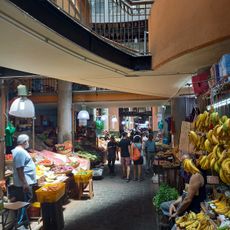
Dutch settlers introduced ebony wood and sugar cane from Java, forever altering the island's native flora. They also brought non-native animal species that contributed to the extinction of several local animals, a pattern that shaped European colonization across the islands.
The community of curious travelers
AroundUs brings together thousands of curated places, local tips, and hidden gems, enriched daily by 60,000 contributors worldwide.