Nurul Islam Great Mosque, Historic mosque in Sawahlunto, Indonesia
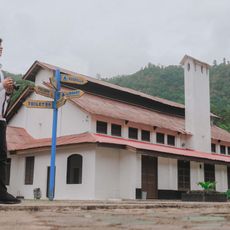
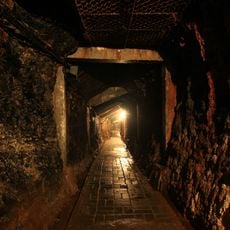
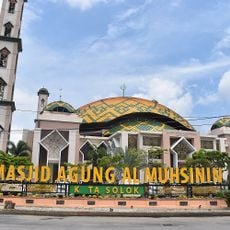
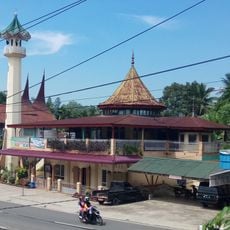
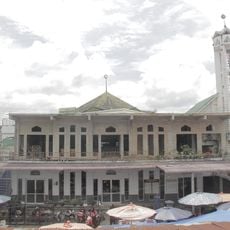
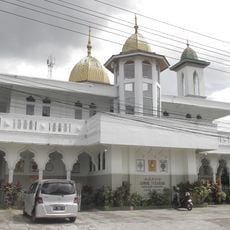
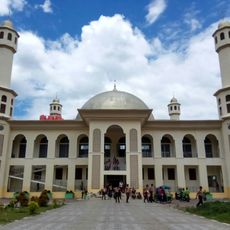
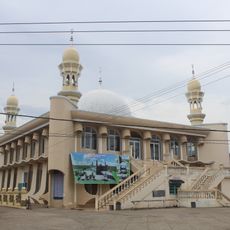
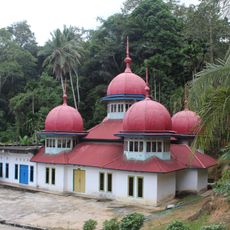
The Nurul Islam Great Mosque occupies a former steam power plant building of 1894, with a main structure measuring 60 by 60 metres. One large dome sits at the centre, ringed by four smaller domes, and the old chimney rises over 75 metres as the minaret. Beneath the two-storey prayer building is a foxhole where independence fighters once assembled hand grenades and mortars.
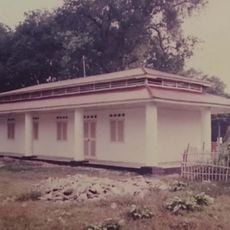
The Dutch East Indies government built a steam power plant here in 1894, using the flow of the Batang Lunto River at Kubang Sirakuak to drive electric machinery for Sawahlunto's coal mines. Falling river levels led to a replacement plant at Salak, Talawi, on the Batang Ombilin in 1924. The disused building sheltered independence fighters who assembled grenades and mortars there during the revolution, and in 1952 it became a mosque.
The mosque's name, Nurul Islam, means "Light of Islam". The two-storey building also serves as a centre of religious education for the surrounding community, alongside its role as a place of worship for Muslims in Kubang Sirakuak.
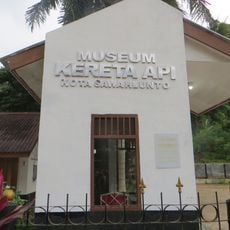
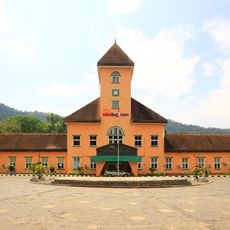
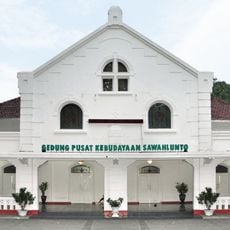
The mosque is located near the Sawahlunto Railway Museum and is easily accessible on foot from the city center. Visitors should plan their visit around prayer times when certain areas may have restricted access.
The minaret is the former power plant's smokestack, standing over 75 metres tall, with a 10-metre dome added on top when it became a minaret. The steam plant had been replaced by a new station at Salak, Talawi, in 1924, leaving the Kubang Sirakuak building free for its 1952 conversion.
The community of curious travelers
AroundUs brings together thousands of curated places, local tips, and hidden gems, enriched daily by 93,241 contributors worldwide.