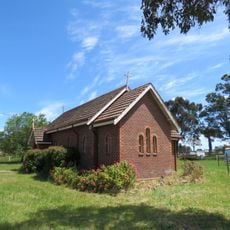
Yalgorup National Park, Nature reserve near Mandurah, Western Australia.
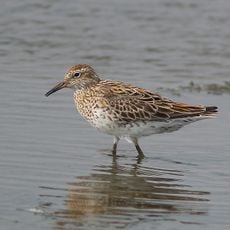
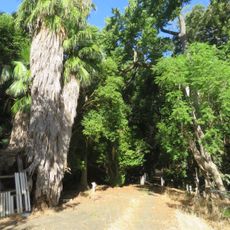
Yalgorup National Park is a nature reserve near Mandurah with a network of ten lakes that form part of the Peel-Yalgorup wetland system. The area features sandy shores, woodland, and open water, creating different habitats for wildlife throughout the park.
The name Yalgorup comes from Noongar words yalgor (lake or swamp) and -up (place of). In 1829, surgeon Alexander Collie and lieutenant William Preston were the first Europeans to explore the coast from Mandurah to Bunbury; the park's two largest lakes, Lake Preston and Lake Clifton, are named after them. The Peel-Yalgorup wetland system was added to the Ramsar list of internationally important wetlands in 1990.
The name Yalgorup combines the Noongar words yalgor (lake or swamp) and -up (place of). The park's two largest lakes, Lake Preston and Lake Clifton, were named after Dr Alexander Collie and Lieutenant William Preston, the first Europeans recorded to explore the coast from Mandurah to Bunbury in 1829.
The park offers several walking trails, observation points, and the Martins Tank Campground for overnight stays. Swimming and boating on the lakes are not permitted, so visitors should plan for walking and bird watching instead.
The rock-like structures along Lake Clifton are thrombolites, not stromatolites; like the stromatolites of Hamelin Pool in Shark Bay, they are built by tiny microorganisms. They belong to the earliest life forms, colonising Earth from 3.5 billion to 650 million years ago.
The community of curious travelers
AroundUs brings together thousands of curated places, local tips, and hidden gems, enriched daily by 93,121 contributors worldwide.