Baladjie Rock, granite rock formation in Western Australia
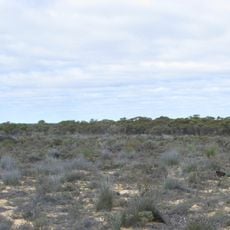
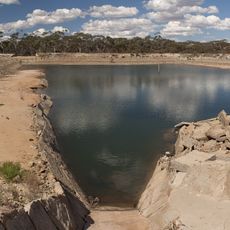
Baladjie Rock is a large granite formation in Western Australia that rises from the open landscape north of Westonia. The rock displays a rough surface with natural caves, fractures, and pockmarks created by wind and rain over millions of years, while nearby Baladjie Lake adds water and vegetation to the setting.
The granite formation developed over hundreds of millions of years through geological processes and was later shaped by weathering. The region was known and used by Indigenous peoples before a European settlement called Baldjie was established nearby in 1928.
The rock and surrounding lake held significance for Indigenous Australians who used the area for sustenance, water sources, and ceremonial purposes. Visitors today experience this cultural connection as they explore the site and witness how the landscape has shaped human activity over generations.
The site is accessible by sealed roads and sits about 42 kilometers north of Westonia along the Koorda-Bullfinch road. Bring your own food and water as there are no facilities on site, while paths lead to the top and access can be temporarily restricted during heavy rain.
The name 'Baladjie' comes from Indigenous language, yet its exact meaning remains unknown and the spelling has varied over time. The nearby salt lake system is typical of this region and forms after rainfall, revealing how water moves through this dry landscape.
The community of curious travelers
AroundUs brings together thousands of curated places, local tips, and hidden gems, enriched daily by 60,000 contributors worldwide.