Gogo Formation, Paleontological formation in Kimberley, Australia
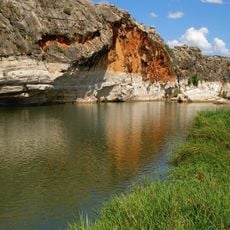
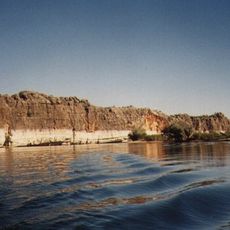
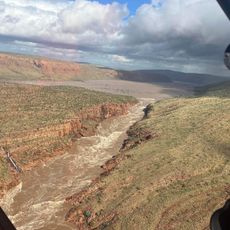
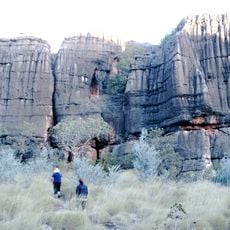
The Gogo Formation is a geological layer of limestone and mudstone in the Canning Basin of Western Australia's Kimberley region. It spans several hundred meters and holds hundreds of fish fossils from the Devonian period.
The formation developed about 380 million years ago in a tropical sea during the Devonian, when this part of Australia was completely underwater. Paleontologists began examining it systematically in the 1940s and recognized its paleontological importance.
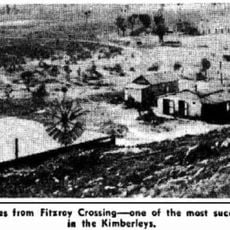
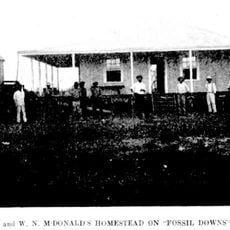
The name comes from a nearby cattle station, and locals and visitors recognize the site as a window into ancient marine life. People come to witness the exposed fossils in the rock layers and to understand the region's deep geological past.
The site is best visited during or after the wet season, when erosion exposes fossils on the surface. Visitors should wear sturdy footwear and be aware that its remote location in Kimberley requires proper preparation and local guidance.
Here scientists discovered Materpiscis, a fossil fish showing the earliest known evidence of live birth in vertebrates. The specimen with its preserved embryos and umbilical cords transformed understanding of early vertebrate reproduction.
The community of curious travelers
AroundUs brings together thousands of curated places, local tips, and hidden gems, enriched daily by 92,694 contributors worldwide.