Sumbawa Island, Lesser Sunda island in West Nusa Tenggara, Indonesia
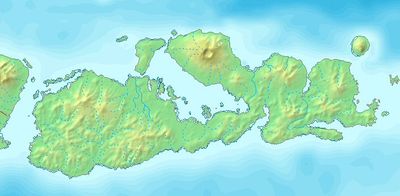
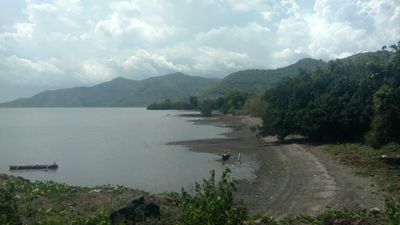
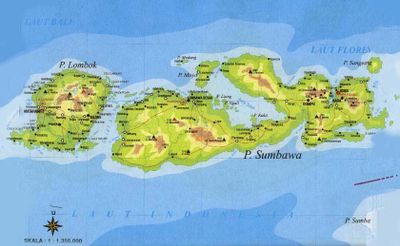
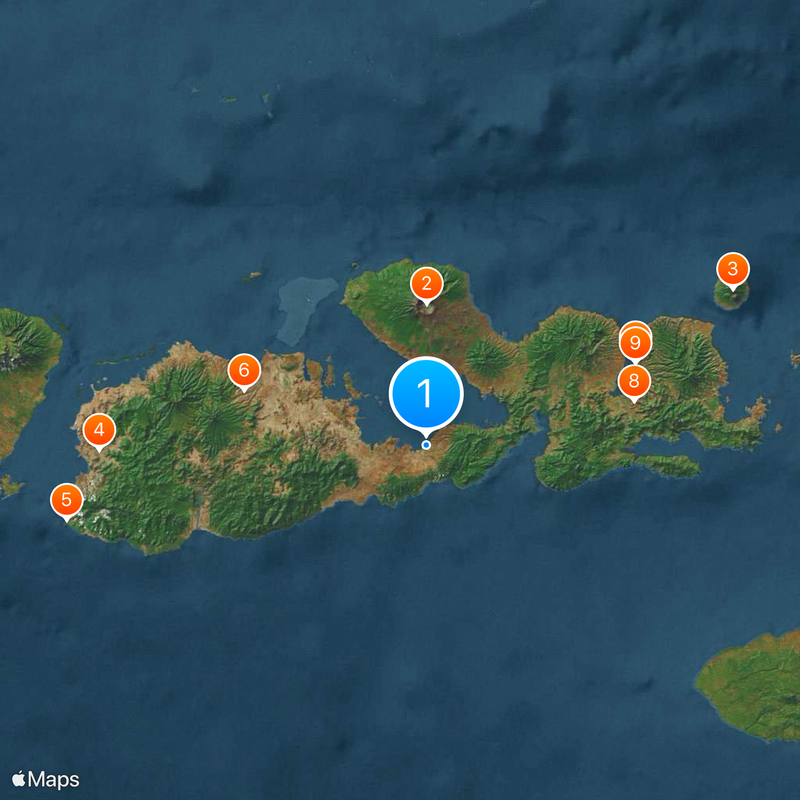
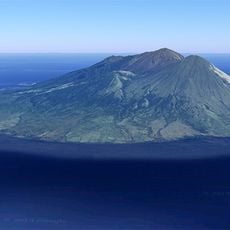
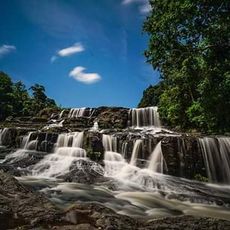
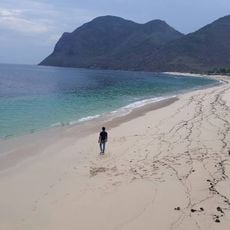
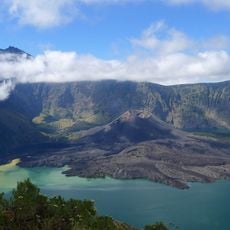
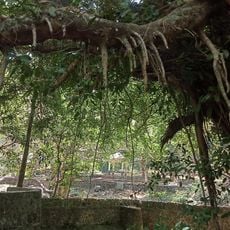
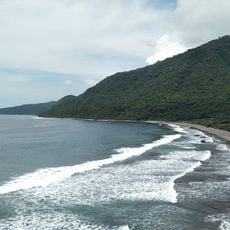
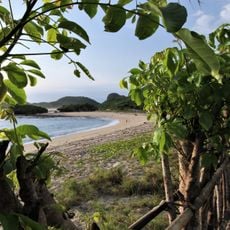
Sumbawa is an island in West Nusa Tenggara that extends between Lombok and Flores, characterized by mountainous terrain, rocky coasts, and several peninsulas with deep bays. This varied landscape shapes both settlement patterns and how communities live across different parts of the island.
The island first came under the influence of the Majapahit kingdom from Java, before the Dutch East India Company took control from 1674 onward through agreements with local rulers. These two periods shaped the archipelago's later political and economic structures.
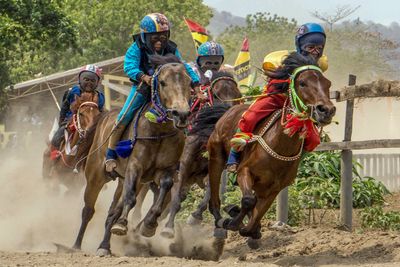
The western communities share linguistic and cultural traits with Lombok's Sasak people, while the eastern population around Bima maintains traditional practices connected to Makasarese customs.
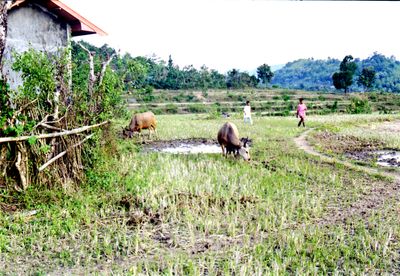
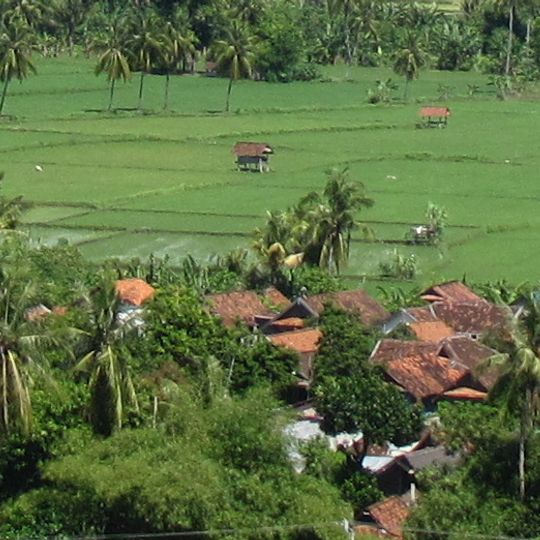
The island is accessible by airport, and roads between main towns depend on weather conditions, requiring extra patience during the rainy season. The economy relies heavily on farming, so rural areas have fewer services than the few larger towns.
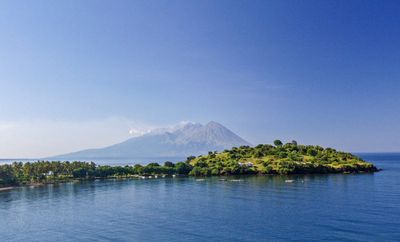
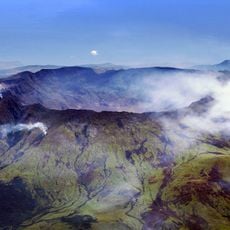
Mount Tambora on the island is one of the world's most active volcanoes, and its major eruption in 1815 ranks as one of the most devastating volcanic events in recorded history. This eruption altered the climate worldwide and produced effects that were felt for several years afterward.
The community of curious travelers
AroundUs brings together thousands of curated places, local tips, and hidden gems, enriched daily by 60,000 contributors worldwide.