Musi Banyuasin, Administrative region in South Sumatra, Indonesia
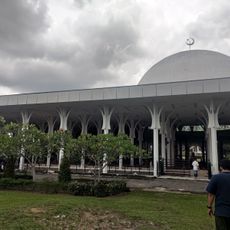
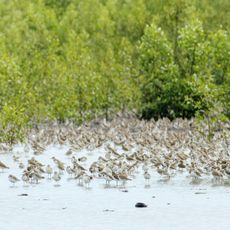
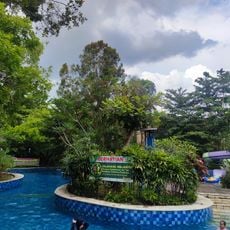
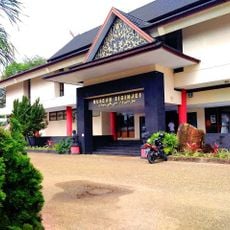
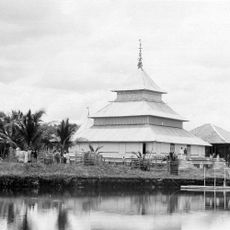
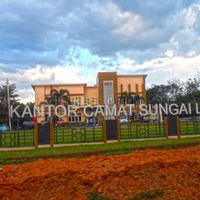
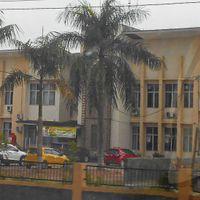
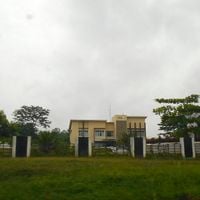
Musi Banyuasin is an administrative region in South Sumatra organized into multiple districts with Sekayu serving as its central hub. The territory encompasses both rural settlements and urban areas spread across lowlands, wetlands, and higher ground.
The region underwent significant administrative reorganization in 2002 when eastern and northeastern areas separated to form a new regency. This change reshaped the territorial boundaries and governance structure as it exists today.
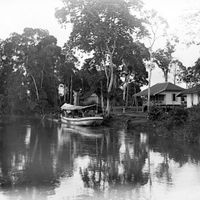
The name combines the Musi River with Banyuasin, a historical settlement, reflecting how the communities here are tied to the landscape and waterways. Local traditions center around water-based activities and farming practices that define daily life in the region.
The region experiences tropical rainfall patterns with peak precipitation occurring during the October to March period. Visitors should expect wet conditions and muddy paths in rural areas, particularly during the rainy season.
The territory contains four distinct soil types that vary by landscape: organic-rich soils in swamps, clay in wetlands, alluvial deposits near the Musi River, and reddish volcanic soils in elevated zones. This variation shapes what can be grown and how land is used across the region.
The community of curious travelers
AroundUs brings together thousands of curated places, local tips, and hidden gems, enriched daily by 91,255 contributors worldwide.