Sembilang National Park, National park in South Sumatra, Indonesia.
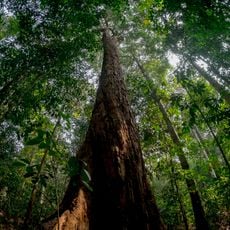
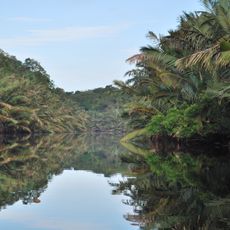
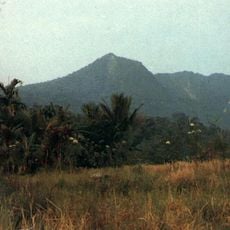
Sembilang National Park is a nature reserve that covers an area of about 200,000 hectares with mangroves, peat swamps, and different forest types along Sumatra's eastern coast. The park connects freshwater zones with coastal areas into a single connected ecosystem.
Sembilang was declared a national park in 2003. In 2018, together with Berbak National Park in Jambi, it was included in the UNESCO World Network of Biosphere Reserves. On 15 January 2020, the Jakarta Post reported that Betet Island, an uninhabited island in the park, had sunk one metre below sea level due to climate change; it had previously been home to the endangered Sumatran tiger.
The park's name comes from the sembilang fish (Plotosus canius), a catfish found in its rivers. Visitors reach the park by chartered motorboat from Sungsang, and boat trips along the rivers and mangroves are the usual way to watch dolphins and migratory birds. The Sembilang peninsula and Banyuasin peninsula are the main points of interest.
The best time to visit is June to November. From Palembang, the trip takes about one hour by road, one and a half hours by boat and another hour overland; the Indonesian source also describes a two-hour chartered motorboat crossing to Sungsang followed by two hours to the park. A local guide is needed to navigate the rivers and mangroves.
Migratory birds from Siberia gather at Sembilang in large numbers, peaking in October; their calls can be heard over the waves of the Bangka Strait. The park also holds the world's largest breeding colony of milky storks and one of the largest of lesser adjutants.
The community of curious travelers
AroundUs brings together thousands of curated places, local tips, and hidden gems, enriched daily by 94,794 contributors worldwide.