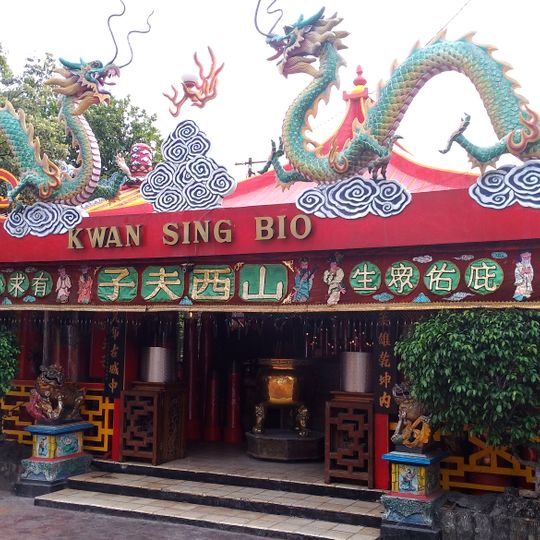
Tuban, Administrative regency in East Java, Indonesia.
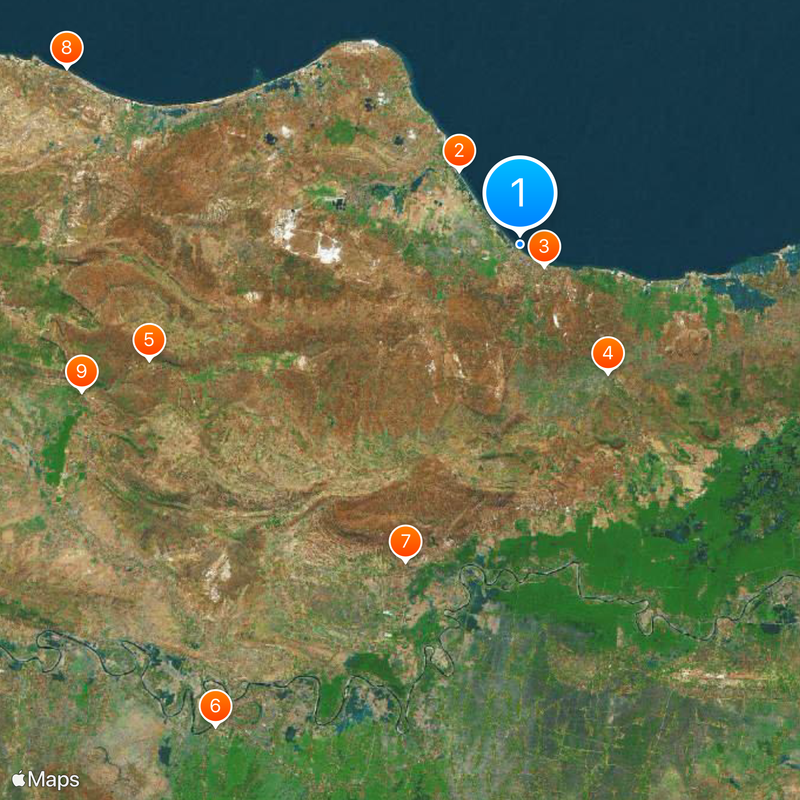
Tuban is an administrative area in northwestern East Java that borders the Java Sea and comprises twenty districts containing more than three hundred villages and settlements. The northern coastal highway runs through the entire area, connecting the different communities, while the interior features rolling hills and limestone formations.
The region became an important administrative center during the Majapahit era in the late 13th century, when King Ronggolawe established his rule there in 1293. Over the centuries, the area developed into a major trading hub along the northern coast of Java, shaping its administrative structure.
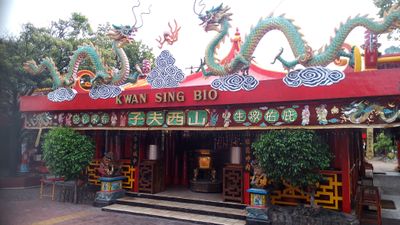
The grave of Sunan Bonang draws Muslim pilgrims from across Java who come to honor the religious teacher who spread Islam through the region. Visitors often see worshippers praying at the tomb, lighting candles and leaving small offerings, experiencing firsthand how this site remains a living center of devotion for the local community.
The main road along the coast provides good orientation, connecting most major towns and making travel within the area straightforward. Visitors should note that the interior, with its hills and caves, requires more time to explore, and sturdy footwear is advisable for trips away from main routes.
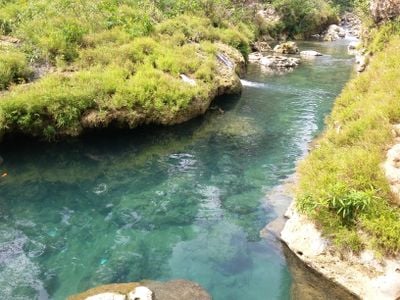
The area is known as the City of a Thousand Caves, as it contains numerous limestone caves with remarkable stalactite and stalagmite formations. Some of these caves are accessible to visitors and offer the chance to explore underground chambers shaped by water erosion over thousands of years.
The community of curious travelers
AroundUs brings together thousands of curated places, local tips, and hidden gems, enriched daily by 90,792 contributors worldwide.