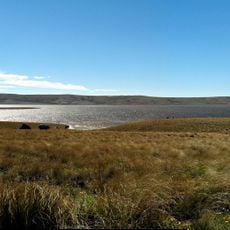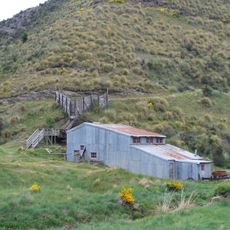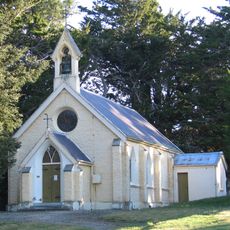
Foulden Maar, Paleontological maar crater in Dunedin City, New Zealand.
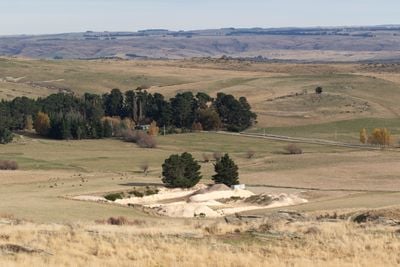
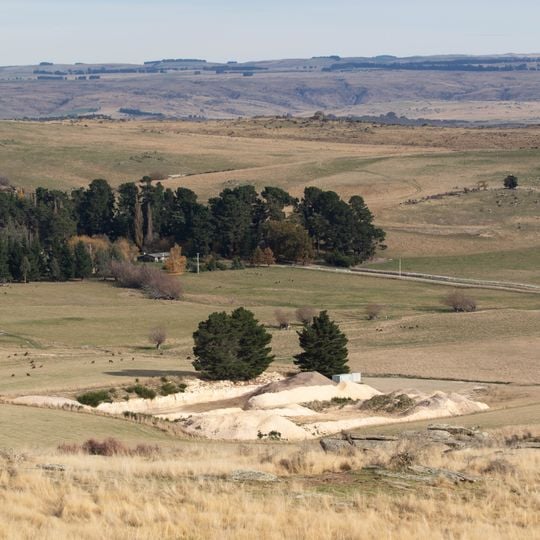
Foulden Maar is a roughly circular, partly eroded volcanic crater about 1,000 metres across near Middlemarch in Otago. Its floor is a shallow basin of pale grass and pasture, with low mounds of whitish and tan diatomite beside two dark conifer trees and a dirt track. The crater is filled with at least 183 metres of sediment, the upper 120 metres of which are laminated diatomite.
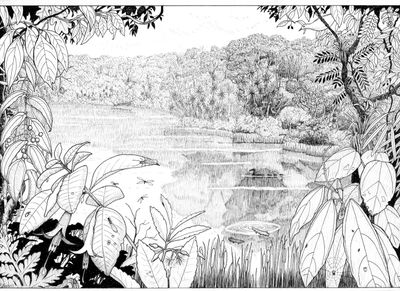
The crater formed roughly 23 million years ago during the Miocene epoch, then slowly accumulated sediment over approximately 130,000 years. This long period of collection created an exceptionally thick and rich layer of fossil-bearing deposits.
The site became a symbol of community action when scientists and residents joined forces in 2019 to stop mining plans. Their effort led to the local council purchasing the land, showing how people can work together to protect places of scientific value.
The site is currently closed to public access while authorities develop management plans for research and education. It's worth checking the current status before planning a visit, as access may change in the future.
Fossils were first found here by gold prospectors in the early 1870s, and geologists Frederick Hutton and George Ulrich described the material as "polishing powder" in 1875. The fossil plant genus Fouldenia is named after the site.
The community of curious travelers
AroundUs brings together thousands of curated places, local tips, and hidden gems, enriched daily by 94,022 contributors worldwide.