Toitū Otago Settlers Museum, History museum in Dunedin, New Zealand.
Toitū Otago Settlers Museum is a history museum in Dunedin that documents regional settlement through artifacts, photographs, and interactive displays. The exhibitions trace development from early contact with Māori to modern times and show how communities shaped this southern coastal city.
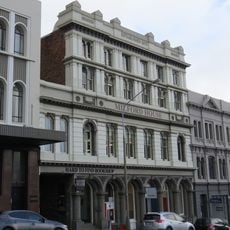
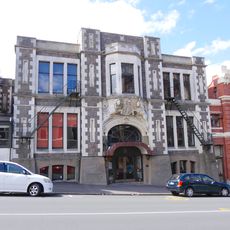
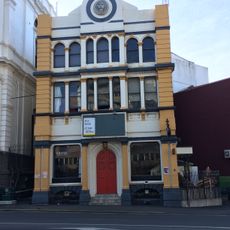
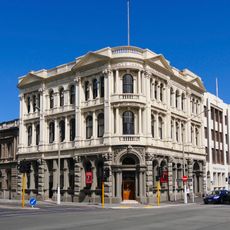
The Otago Early Settlers' Association founded the museum in 1898, and it opened on 23 March 1908 in a hall on Moray Place built for the association. The building was designed by John Burnside, and in 1927 the museum took over the adjoining Burnside building vacated by the Dunedin Public Art Gallery. In 1991 the Dunedin City Council took over ownership and operation, and the museum reopened as Toitū Otago Settlers Museum in December 2012 after a NZ$38.5 million renovation.
The museum displays furniture, clothing, transportation objects, and photographs showing how communities in Otago evolved over generations. These items tell stories about the everyday lives of people who lived and worked in the region.
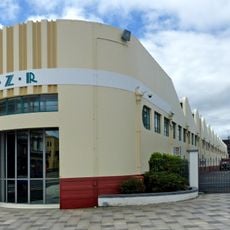
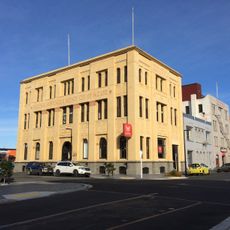
The museum entrance is in the Josephine Foyer, a north wing added in 2011–2012; the 1939 Art Deco former bus station lies directly south, linked by a 1994 concourse. The Smith Gallery, or Portrait Room, is on the upper floor of the Burnside building. A research centre and self-service research area are available.
Josephine, built by the Vulcan Foundry in Lancashire in 1871/72 to a Robert Fairlie design, arrived at Port Chalmers in parts in August 1872 and ran until 1916; saved in the late 1920s, it is New Zealand's oldest preserved steam locomotive. Nearby stands JA 1274, the last steam locomotive built by the New Zealand Railways Department, at Dunedin's Hillside Workshops, in service from December 1956 to November 1971.
The community of curious travelers
AroundUs brings together thousands of curated places, local tips, and hidden gems, enriched daily by 94,114 contributors worldwide.