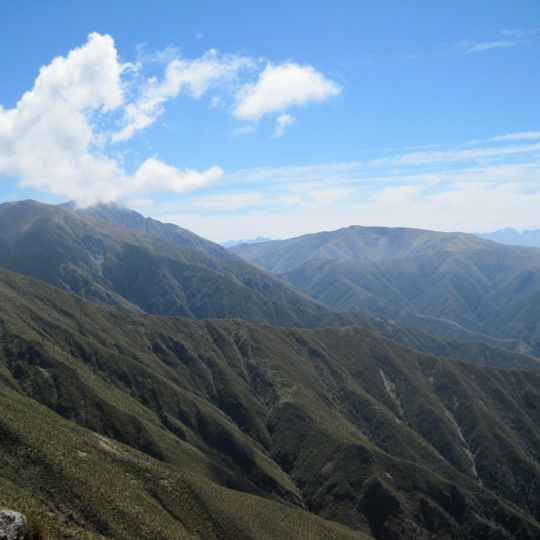
Peel Forest Park, Scenic reserve in Canterbury Region, New Zealand
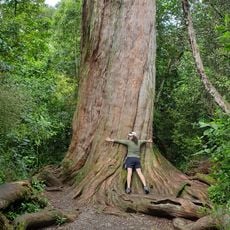
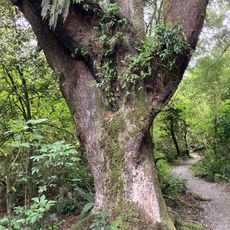
Peel Forest Park is a large forest reserve in the foothills of the Southern Alps, home to native tree species including kahikatea, totara, and matai. The area sits near the Rangitata River and features extensive walking trails through dense forest.
Francis Jollie, who settled in the area in late 1853, named the forest after Sir Robert Peel, the British prime minister who died in 1850, the year Canterbury was founded. The adjacent mountain and the nearby settlement also took Peel's name. Logging later reduced a much larger podocarp forest to the 769-hectare reserve managed today by the Department of Conservation.
The forest takes its name from Sir Robert Peel, British Prime Minister, who died in 1850, the year Canterbury was founded; Francis Jollie, settled in the area in late 1853, chose the name. The adjacent mountain and the nearby community of Peel Forest also carry Peel's name. Visitors today walk among kahikatea, tōtara and mataī and watch kererū, fantail and tomtit.
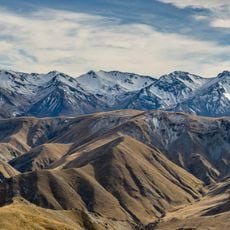
The reserve lies near the Rangitata River in the foothills of the Southern Alps. Tracks range from short walks to a longer route to the summit of Little Mount Peel, so allow time for the climb. The Department of Conservation manages the reserve as a scenic reserve, not a forest park.
The reserve protects a remnant of a large Podocarpaceae forest, with kahikatea, tōtara and mataī as the three main tree types; logging reduced it to its present 769 hectares. Botanist Harry Allan received a Doctor of Science in 1923 for his lengthy study of Mount Peel's plants.
The community of curious travelers
AroundUs brings together thousands of curated places, local tips, and hidden gems, enriched daily by 93,404 contributors worldwide.