Holy Trinity Avonside, Anglican church in Avonside, Christchurch, New Zealand
Holy Trinity Avonside was an Anglican church in the Avonside parish of Christchurch, built of cob in 1855 to Charles Edward Fooks's design and later rebuilt in stone. Benjamin Mountfort added a bell tower and timber vestry in 1869 and a stone chancel and transepts around 1873; his son Cyril Mountfort designed the stone nave that replaced the cob building in 1905. The west end was extended in 1953–1954.
The Avonside parish was established in 1855, with its first service in Rev. Charles Mackie's home "Stricklands". A cob church by Charles Edward Fooks opened at Christmas 1855 and was consecrated by Bishop Harper on 24 February 1857, the first Anglican church in Canterbury he consecrated. Benjamin Mountfort added a bell tower and timber vestry in 1869 and a stone chancel and transepts around 1873; Cyril Mountfort's stone nave replaced the cob building in 1905.
The graveyard holds the graves of Canterbury superintendent William Rolleston, Christchurch mayor James Arthur Flesher, and George Warren Russell, health minister during the 1918 flu pandemic. It also contains one Commonwealth war grave, of a New Zealand soldier of World War I.
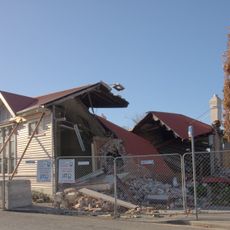
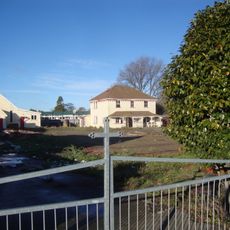
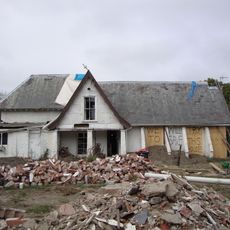
The church stood in Avonside, Christchurch, and was demolished in September 2011 after the February earthquake. The graveyard remains, holding the Commonwealth war grave of a New Zealand soldier of World War I alongside the tombs of figures such as Julius von Haast and Benjamin Mountfort.
The time capsule recovered from beneath the nave during the 2011 demolition held the words of the church's consecration, not general documents. It was found after diggers had already smashed much of the building, a point heritage advocates cited when criticising the demolition.
The community of curious travelers
AroundUs brings together thousands of curated places, local tips, and hidden gems, enriched daily by 94,829 contributors worldwide.