Victoria Forest Park, Forest park in Buller District and Tasman District, New Zealand.
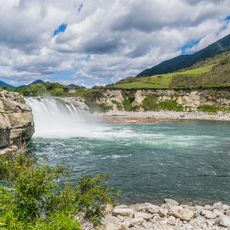
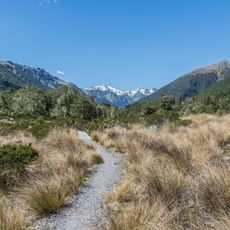
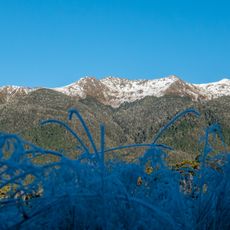
Victoria Forest Park covers 206,000 hectares between the Victoria Range to the east and the Brunner Range to the west, both built of folded greywacke and argillite. The Inangahua and Maruia Rivers drain the western and northern sides, and the Upper Grey River runs along the southern edge. Beech forest covers most of the park, and State Highway 7 crosses it from Reefton to Springs Junction.
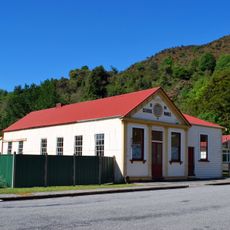
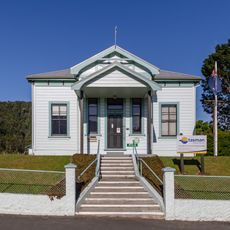
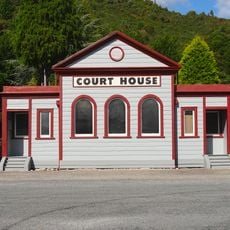
Māori settlement in the area was sparse. Farmer Samuel Mackley became the first European settler to stay permanently, in 1861. From 1870, gold-bearing quartz was mined south of Reefton; 50 mines were registered in the first 18 months, and the largest, Waiuta, operated until 1951. Reefton gained a telegraph link in 1872 and New Zealand's first electric street lighting in 1888.
Reefton, on the park's south-western edge, grew as a mining town supplying food, timber and coal to the gold workings; it was linked to the telegraph network in 1872 and in 1888 became the first place in New Zealand with electric street lighting. Old mining equipment still lies in the park, and gold is still extracted east of Reefton.
The area is accessible via Highways 6 and 69 from the north, and Highway 7 from Canterbury or Greymouth regions. The best time to visit is during warmer months when pathways are easier to navigate.
Beech forests cover most of the park because they grow on mountain land unsuited to farming and were never cleared, making them New Zealand's largest remaining indigenous forest type. Three mistletoe species grow here, including crimson mistletoe (Peraxilla colensoi) and red mistletoe (Peraxilla tetrapetala), all threatened by possum browse.
The community of curious travelers
AroundUs brings together thousands of curated places, local tips, and hidden gems, enriched daily by 93,415 contributors worldwide.