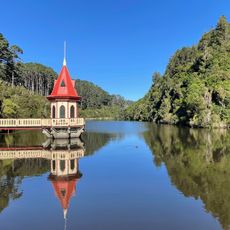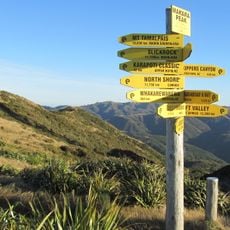
Terawhiti Station, Sheep station in Wellington, New Zealand.
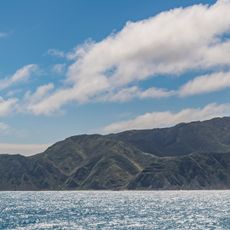
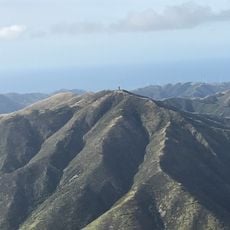
Terawhiti Station is a sheep farm occupying large coastal lands south of Wellington with open grasslands, rocky coastlines, and mixed farming areas. It stretches between Te Ika a Maru Bay and Karori Stream, blending traditional pastoral use with modern wind generation.
The farm was established in the 1850s as a cattle operation under Captain William Barnard Rhodes before James McMenamen later shifted it to sheep farming. During the 1880s, gold mining attempts took place on the property with the construction of the Albion Battery, though this effort proved temporary.
The farm holds deep roots in Wellington's rural identity, with generations of families making their living from wool production and pastoral work across these lands. Today visitors encounter the working rhythms of a family-run operation that shaped the region's agricultural character.
The property is open for visits where you can see the open landscapes and the wind turbines that form part of the modern operation. Weather can change quickly given the exposed coastal location, so dressing in layers is advisable.
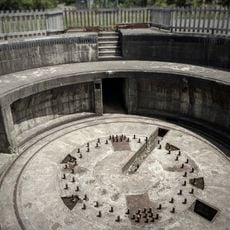
A brief period of gold mining in the 1880s left behind the Albion Battery structure, a reminder of when people tried extracting minerals from this coastal location. This attempt did not last, but the remains tell of a different use of the land that few visitors realize happened here.
The community of curious travelers
AroundUs brings together thousands of curated places, local tips, and hidden gems, enriched daily by 90,865 contributors worldwide.