Wellington, Capital city in North Island, New Zealand
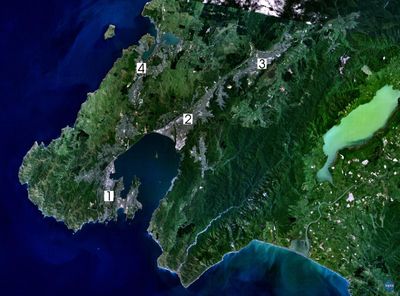
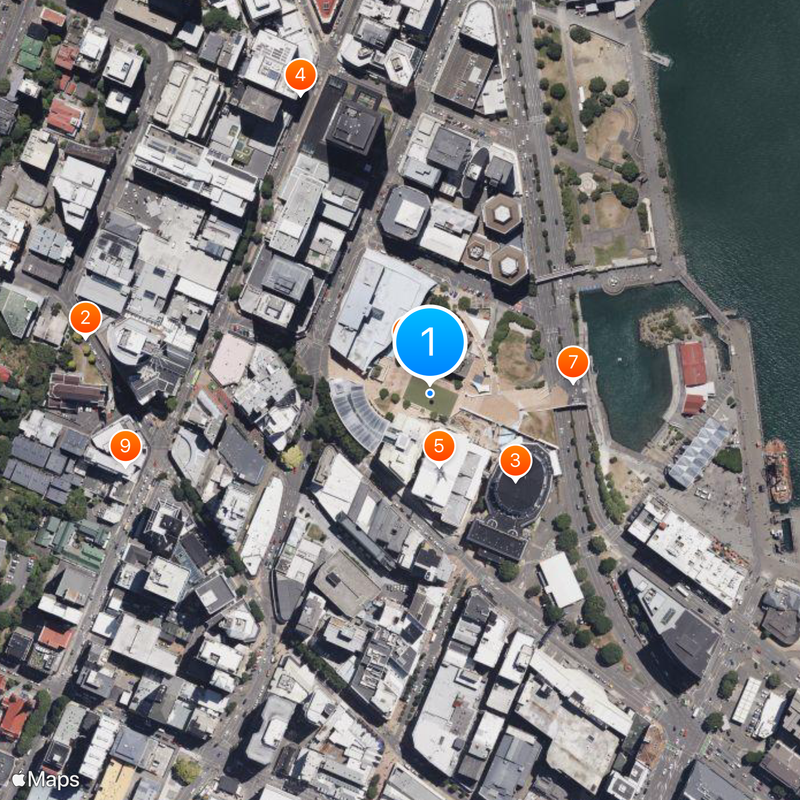
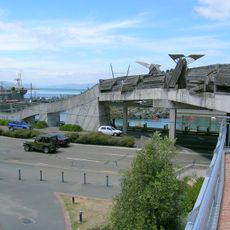
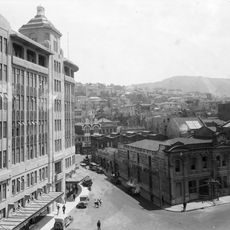
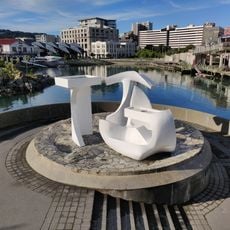
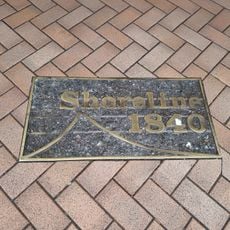
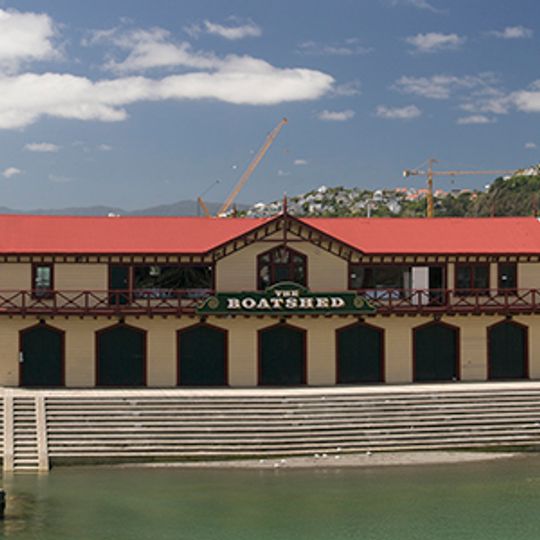
Wellington rises from a natural harbor at the southern tip of the North Island, with steep hills crowded by wooden houses and narrow streets climbing toward residential neighborhoods. The central business district lines the waterfront, while cable cars and pedestrian paths connect the lower city to the hillside suburbs above.
European settlers arrived in the area in the late 1830s, founding a small port settlement that grew quickly around the harbor. The government moved here from Auckland in 1865, choosing the location for its position between the two main islands.
The city hosts a thriving café culture, with locals gathering in small independent coffee shops along Cuba Street and the waterfront throughout the day. Film and creative industries shape the rhythm of daily life, drawing professionals and visitors to studios, galleries, and screening rooms scattered across the hillsides.
Visitors should prepare for strong winds and sudden rain, especially when walking through exposed streets or along the waterfront in autumn and winter. The city center remains compact enough to explore on foot, though steep streets and hillside neighborhoods may require patience and comfortable shoes.
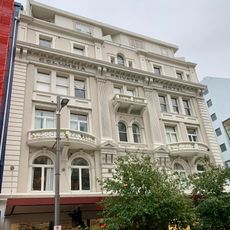
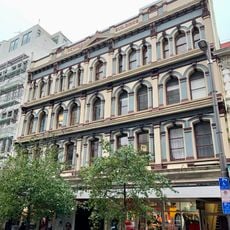
The harbor sits directly above a major fault line where two tectonic plates meet, making ground movement a regular part of life in the city. Buildings downtown use special construction methods to absorb shaking, and many older structures have been reinforced or replaced over the past few decades.
The community of curious travelers
AroundUs brings together thousands of curated places, local tips, and hidden gems, enriched daily by 90,804 contributors worldwide.