Australasia, Geographic region in Oceania.
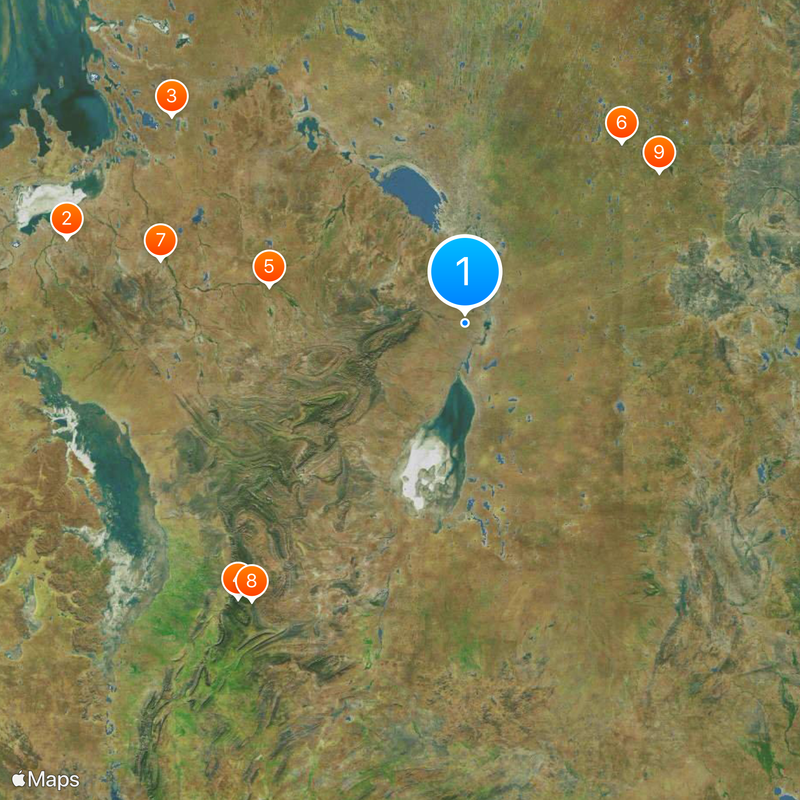
Australasia includes Australia, New Zealand, and many Pacific islands positioned between the Indian and Pacific Oceans, spanning roughly 8.5 million square kilometers. The landmass ranges from continental dry zones in the west to volcanic island chains in the east, with mountain ranges and coastlines shaping the terrain.
The area stayed isolated until European exploration during the sixteenth century, when Portuguese and Spanish ships first contacted indigenous populations. British and Dutch expeditions followed in the seventeenth century, leading to colonial settlements that reshaped the political and social fabric.
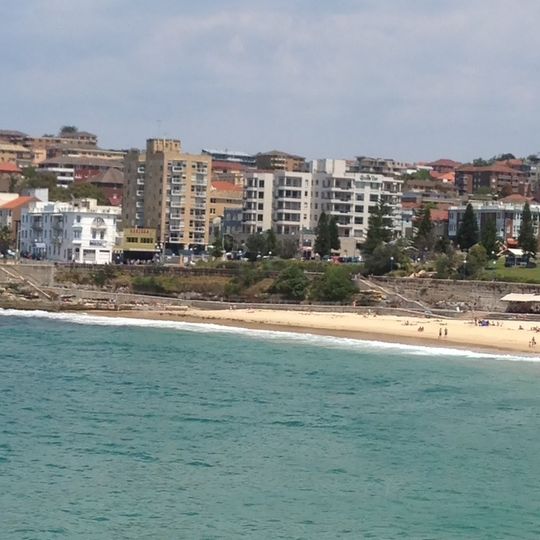
Indigenous groups continue ceremonies and language traditions while urban centers blend European settler design with Polynesian influences. Weekly markets, street festivals, and public gathering spaces reflect the multicultural makeup of the population.
The region holds major transport hubs in Sydney, Melbourne, and Auckland, linking Pacific destinations through international airports and sea routes. Long distances between cities require domestic flights or multiday drives, while island destinations often rely on ferries or small aircraft.
The Australian continental plate shows geological stability, creating flat landscapes and mineral deposits across western and central areas. New Zealand sits on the active tectonic boundary between Pacific and Australian plates, causing thermal springs and frequent seismic activity.
The community of curious travelers
AroundUs brings together thousands of curated places, local tips, and hidden gems, enriched daily by 60,000 contributors worldwide.