Upper Canal System, Gravity-fed water supply canal in New South Wales, Australia
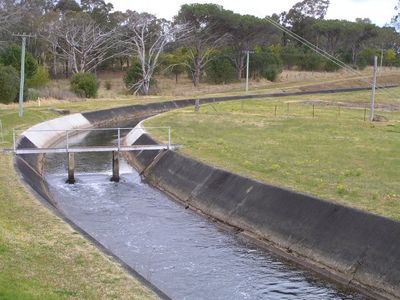
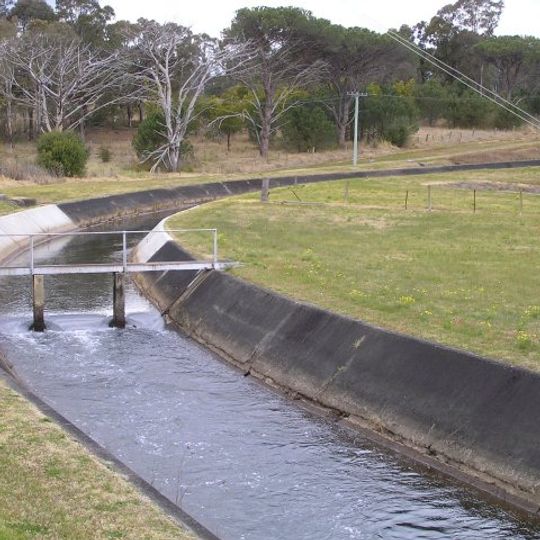
The Upper Canal System is a water supply network in New South Wales that extends across multiple kilometers and incorporates open channels, tunnels, and pipelines. This infrastructure transports water from the Nepean River to settlements using gravity, requiring no pumps to function.
In 1867 the Governor of New South Wales appointed a commission to recommend a water supply for Sydney; by 1869 it proposed the Upper Nepean Scheme, with weirs at Pheasant's Nest and Broughton's Pass feeding water by gravity into tunnels, canals and aqueducts. The Upper Canal has carried water to Prospect Reservoir since 1888, and was listed on the New South Wales State Heritage Register on 18 November 1999.
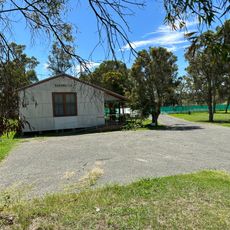
The canal is divided into eleven maintenance sections from Pheasant's Nest to Prospect Reservoir, and each section once had its own keeper with a cottage built along it. The aqueduct is associated with Edward Moriarty, head of the Harbours and Rivers Branch of the NSW Public Works Department.
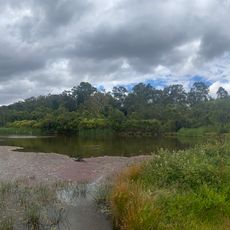
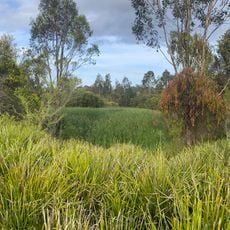
The aqueduct runs 54 km from Pheasant's Nest Weir on the Nepean River through Wollondilly, Camden, Campbelltown, Liverpool, Fairfield and Cumberland to Prospect Reservoir, dropping only 50 m. It is an operating water supply under the Sydney Catchment Authority, so access is restricted; the canal is best seen where it crosses open country and creeks on its sandstone piers.
The system was built with remarkably precise slope, allowing water to flow without external energy sources. This achievement demonstrates the technical skill of engineers from that era.
The community of curious travelers
AroundUs brings together thousands of curated places, local tips, and hidden gems, enriched daily by 93,846 contributors worldwide.