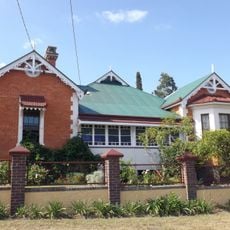
Central Congregational Church Manse, historic site in Queensland, Australia
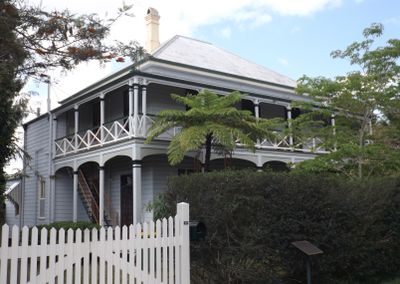
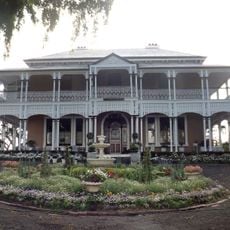
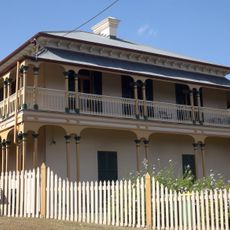
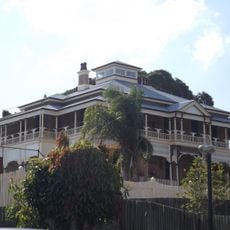
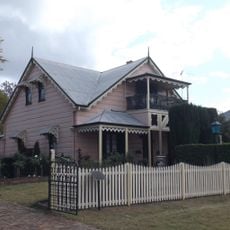
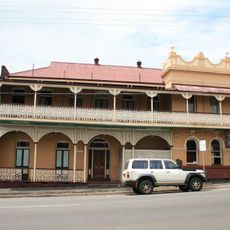
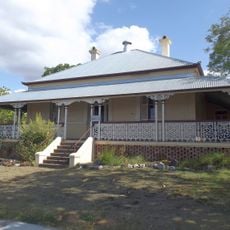
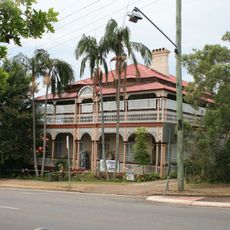
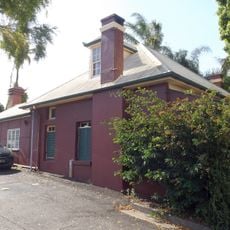
The Central Congregational Church Manse is a two-story timber building in Ipswich, constructed in 1883 and originally designed as a residence for church pastors. The house features a wraparound verandah, twelve rooms, detailed timber details, and a corrugated iron roof characteristic of late-19th-century residential architecture in Queensland.
The house was designed and constructed in 1883 by architect Samuel Shenton, who also designed other significant buildings in Ipswich. It is directly connected to the Congregational Church, which was founded in 1854 and later became the first independent parish of its kind in Queensland.
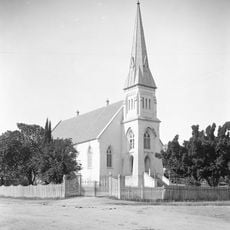
The name recalls the Central Congregational Church, the parish formed in 1870 when a new church by Samuel Shenton replaced the 1855 building; that church burned down in February 1953. Sold by the congregation in 1936–37, the manse was divided into flats, and in 1950 part of its grounds was resumed for road works while other sections were subdivided.
The manse stands at 21 Quarry Street, Ipswich, and is viewed from the public street; it is not open as a museum. In 1950 part of its grounds was resumed for road works and other sections were subdivided, so the house now sits on a smaller lot than originally. Look for the extra vertical balustrading added to the upper-storey verandah, the one visible change since an 1896 photograph.
Samuel Shenton, the architect who designed the house, initially came to Ipswich as a carpenter in 1851 and later became a prominent figure in the town, designing several important buildings and serving twice as mayor. The Manse is today the only remaining building in the area that showcases Shenton's craftsmanship from the 1880s.
The community of curious travelers
AroundUs brings together thousands of curated places, local tips, and hidden gems, enriched daily by 94,364 contributors worldwide.