Liliuokalani Park and Gardens, Japanese garden in Hilo, United States
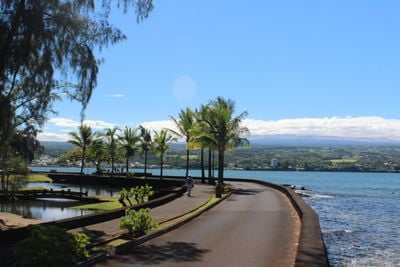
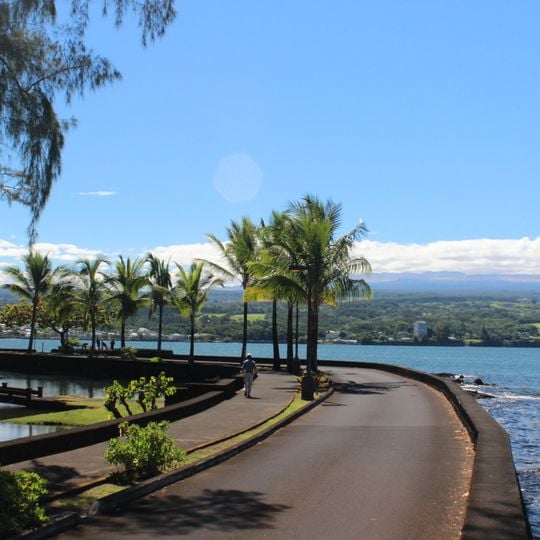
Liliuokalani Park and Gardens is a 24.14-acre park with Edo-style Japanese gardens on Banyan Drive on the Waiakea Peninsula in Hilo. The gardens, built 1917–1919, contain Waihonu Pond, arched bridges, pagodas, statues, torii, and a Japanese teahouse. A paved walkway curves between ponds and palm trees.
The site was originally a royal fishpond where amaama mullet and ulua were raised for the king. Queen Liliuokalani, Hawaii's last reigning monarch, donated the land for a park bearing her name. The Edo-style Japanese gardens were built between 1917 and 1919, after the queen's death, partly in recognition of the Japanese plantation workers who helped develop Hilo.
The park honors Japanese immigrants who shaped Hawaii's development in the 1800s and early 1900s, and its design reflects their cultural traditions through stone lanterns, arched bridges, and a traditional teahouse. Walking through the grounds, visitors experience how these elements connect to the daily life and values of the community that built it.
The park is open daily with no admission fee, and paved pathways make it easy to walk through the grounds at your own pace. Rest areas and restroom facilities are scattered throughout, with plenty of spots to sit and enjoy views by the water.
The pond in the gardens was originally a royal fishpond, deeper than today's Waihonu Pond, where fish favoured by the king were raised. Moku ola, the island linked by footbridge, means "island of life" because an ancient healing temple stood there; offenders who swam around it were pardoned by priests.
The community of curious travelers
AroundUs brings together thousands of curated places, local tips, and hidden gems, enriched daily by 92,575 contributors worldwide.