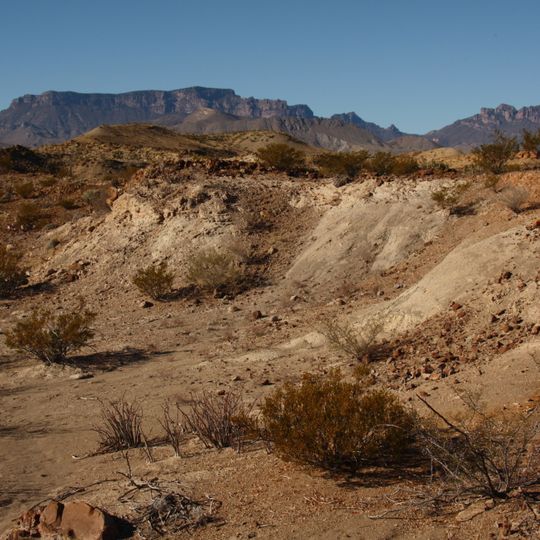
Aguja Formation, Geological formation in West Texas, United States.
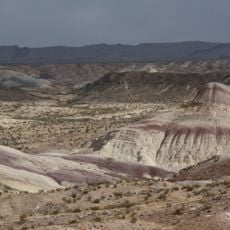
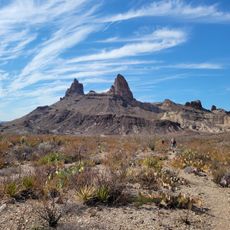
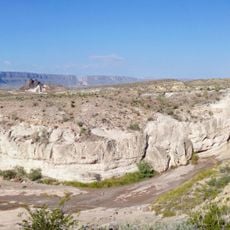
The Aguja Formation is a geological rock layer found in West Texas and northern Mexico, composed of sandstone, siltstone, and clay beds. The exposed strata display distinct bands of different colors and textures that are visible across the eroded landscapes and hillsides of the area.
The formation was laid down in the Late Cretaceous period roughly 80 million years ago when shallow seas and river deltas covered this region. These sediments were buried and compressed over time, then exposed again through erosion as the landscape changed.
Scientists and researchers from multiple institutions conduct field studies at the formation to understand North American geological patterns.
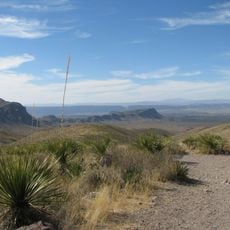
The formation is best seen in canyons and hillsides throughout the Big Bend area where the rock layers are clearly exposed. Visitors should wear sturdy footwear and bring sun protection, as the landscape offers little shelter from the elements.
Dinosaur fossils including plant-eating hadrosaurs and early horned creatures have been found preserved in these layers, along with ancient palm remains. These discoveries help scientists understand what tropical environments looked like across North America during the final stages of the Cretaceous.
The community of curious travelers
AroundUs brings together thousands of curated places, local tips, and hidden gems, enriched daily by 60,000 contributors worldwide.