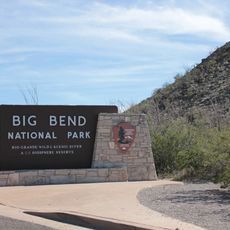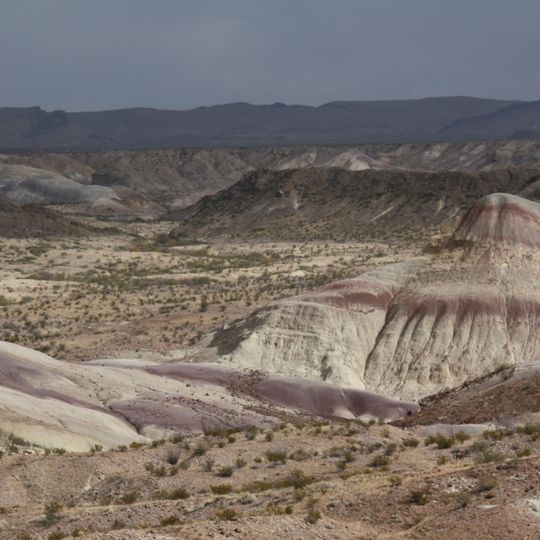
Javelina Formation, Late Cretaceous geological formation in Big Bend National Park, Texas, United States.
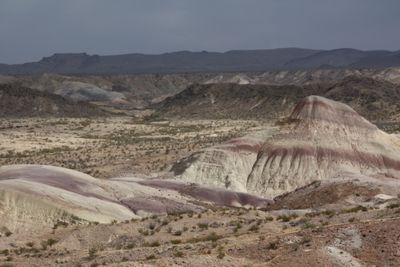
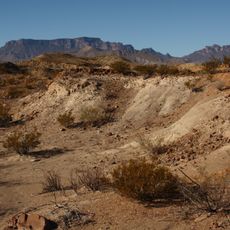
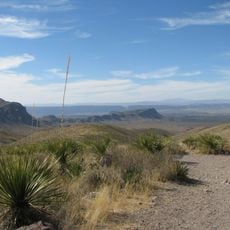
The Javelina Formation is a geological sequence of sandstone and mudstone layers found in Big Bend National Park in Texas. The layers show alternating shades of purple and gray that stand out clearly against the surrounding desert landscape and are visible across wide sections of the park.
The Javelina Formation was laid down in the Late Cretaceous, around 69 million years ago, when this part of Texas was a broad river valley. The formation marks the final chapter of the age of dinosaurs, as the deposits end just before their disappearance.
The Javelina Formation takes its name from the javelina, a pig-like animal that still roams Big Bend National Park today. Hikers walking near the exposed rock layers sometimes spot small groups of these animals moving along the base of the outcrops.
The formation can be reached by driving the park roads and walking the hiking trails that pass through Big Bend National Park, where outcrops appear at several spots along the way. Carrying plenty of water and wearing sturdy shoes is strongly advisable, as the ground is dry, rocky, and exposed to direct sun.
Fossils of Quetzalcoatlus, a flying reptile with a wingspan of around 33 feet (10 meters), were first discovered here, making this one of the few places in the world where remains of this animal have been found. That single discovery changed how scientists understood the size that flying animals could reach.
The community of curious travelers
AroundUs brings together thousands of curated places, local tips, and hidden gems, enriched daily by 60,000 contributors worldwide.