Gulf Islands National Seashore, National park and wildlife refuge in Florida and Mississippi, United States.
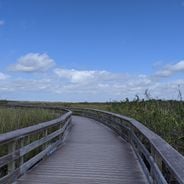
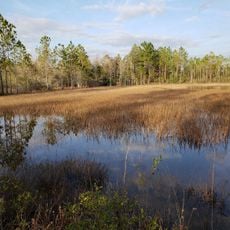
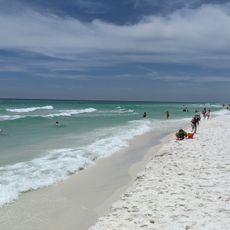
Gulf Islands National Seashore stretches along the Gulf of Mexico across Florida and Mississippi, protecting mainland areas and parts of seven barrier islands. Its Florida district has white quartz sand beaches, historic forts and nature trails, while the Mississippi district holds natural beaches, bayous and islands reachable only by boat. The Gulf Islands Wilderness covers 4,080 acres of Petit Bois and Horn islands.
The seashore was established as a protected area in the 1970s to safeguard natural resources and historical structures along the Gulf Coast. The forts here date to the 1800s and reflect the region's military past.
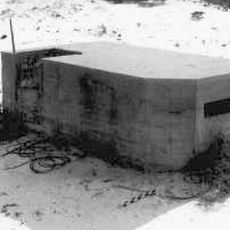
Four forts stand within the seashore: Fort Massachusetts on West Ship Island, Fort Pickens, Fort Barrancas and the Advanced Redoubt near Pensacola, plus the site of Fort McRee. Fort Barrancas holds a visitor center aboard Naval Air Station Pensacola. The Perdido Key Historic District keeps shore batteries used in World War I and World War II.
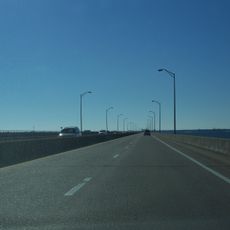
In Florida, all areas can be reached by car, including the Fort Pickens and Johnson Beach day-use areas, which charge an entrance fee. In Mississippi, only the Davis Bayou Area near Ocean Springs has road access; Petit Bois, Horn, East and West Ship and Cat islands can be reached only by boat. The Pickens and Davis Bayou campgrounds have paved roads, water and electrical hookups, restrooms and showers, but no sewer connections; a dump station is available.
The Perdido Key beach mouse lives only on Perdido Key and nowhere else on Earth; it frequents Johnson Beach, Gulf State Park and Perdido Key State Park, and is critically endangered. The seashore also holds the Gulf Islands Wilderness, 4,080 acres protecting parts of Petit Bois and Horn islands in Mississippi.
The community of curious travelers
AroundUs brings together thousands of curated places, local tips, and hidden gems, enriched daily by 92,841 contributors worldwide.