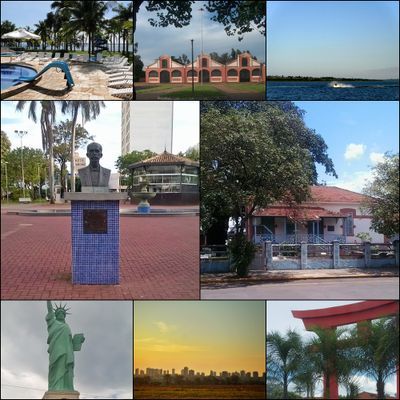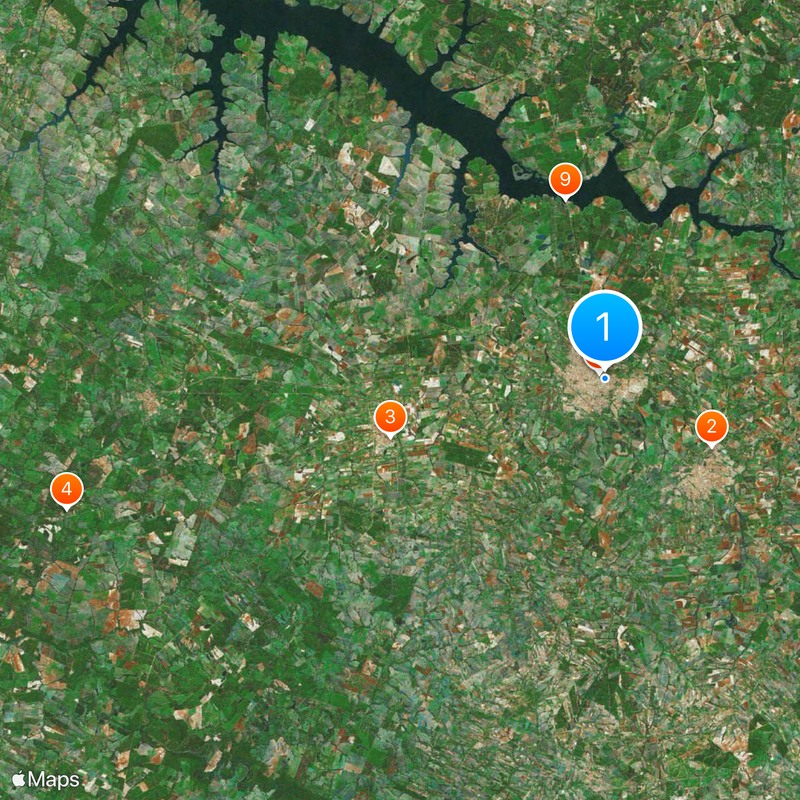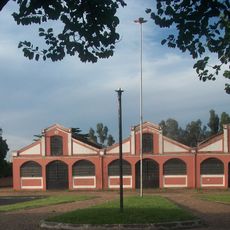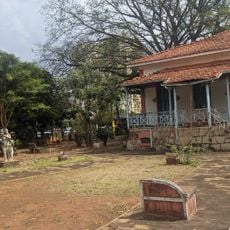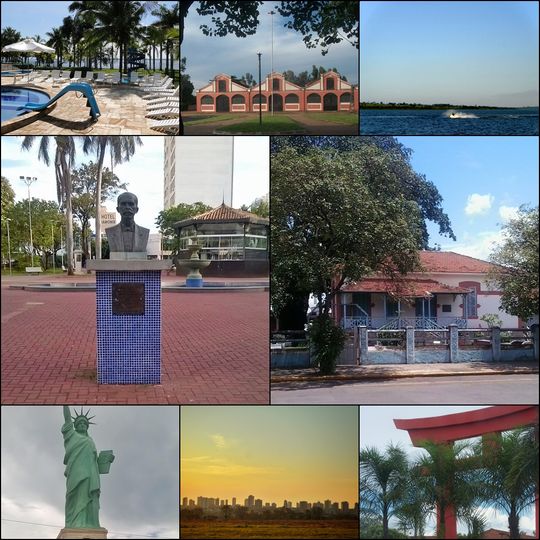
Araçatuba, Agricultural center in São Paulo state, Brazil
Araçatuba is a farming city in western São Paulo with wide croplands and urban blocks. The layout follows a grid of broad streets, lined with residential blocks and low commercial buildings near the banks of the Tietê.
The settlement appeared in 1908 with the railway construction and quickly grew as a supply point for travelers and farmers. In 1921, it gained municipal status and separated from Penápolis.
The name comes from the Tupi language and refers to the araçá fruit trees that once grew here in large numbers. Today, residents move through modern neighborhoods, farming areas, and commercial districts that shape daily life.
Highways run from São Paulo and neighboring regions, while an airstrip inside the city allows small aircraft to land. Walking or driving through the city works well because streets follow a clear grid.
Several hydroelectric plants along the Tietê supply electric power that feeds farms and manufacturing sites. Cotton processing, furniture making, and ceramic production form major economic pillars alongside farming.
The community of curious travelers
AroundUs brings together thousands of curated places, local tips, and hidden gems, enriched daily by 92,017 contributors worldwide.