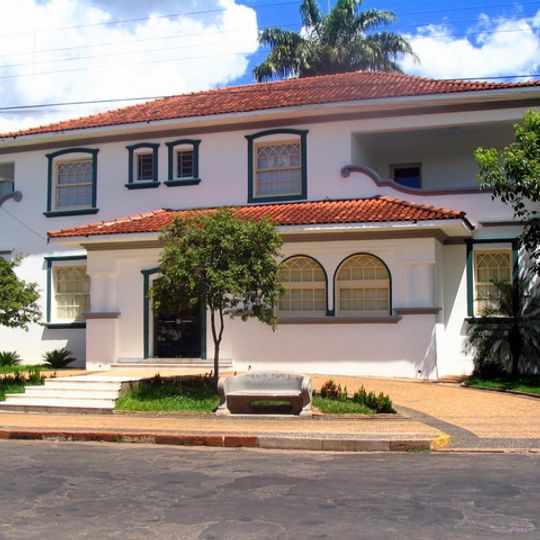
Penápolis, Municipality in São Paulo, Brazil
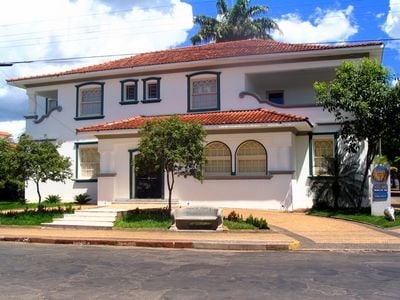
Penápolis is a municipality in São Paulo, Brazil, that spans an expansive territory with agricultural lands and natural areas. The town sits at elevation and is divided into several administrative districts that together serve a region of around 100,000 inhabitants.
The settlement originated in 1906 when a local farmer donated land to Capuchin priests to establish an initial community. These early roots formed the foundation for its development into a regional administrative center.
Film workshops and community events showcase Brazilian culture and local heritage throughout the year. Visitors can experience screenings and celebrations that highlight the region's traditions and diversity.
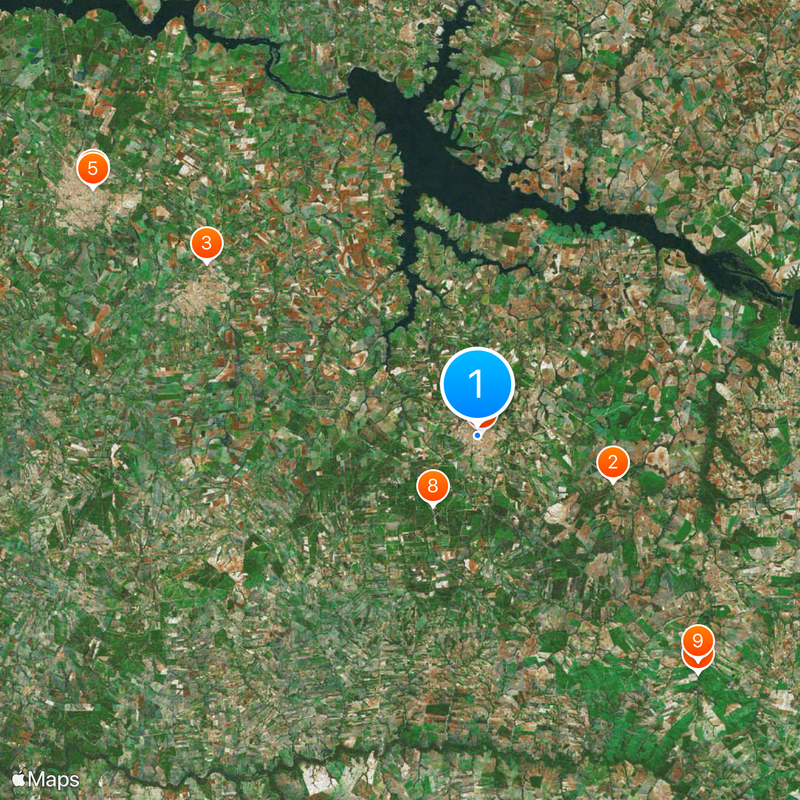
Visitors can explore agricultural areas, natural landscapes, and recreation zones centered around artificial lakes. The Tietê River and its related waterscapes provide opportunities for outdoor leisure and relaxation.
The artificial lakes formed by the Nova Avanhandava Power Plant dominate the landscape and serve as popular spots for water activities and leisure. These reservoirs have reshaped the original river corridor and now anchor the region's recreational opportunities.
The community of curious travelers
AroundUs brings together thousands of curated places, local tips, and hidden gems, enriched daily by 92,022 contributors worldwide.