Serpentine National Park, National park in Western Australia, Australia
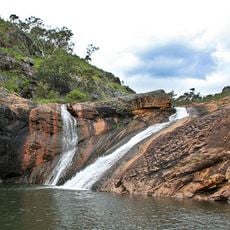
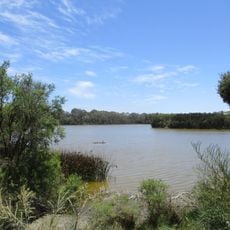
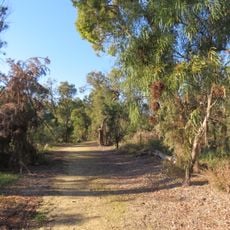
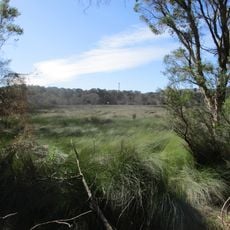
Serpentine National Park is a nature reserve in Western Australia that sits on the edge of the Darling Scarp, combining granite outcrops, dense forests, and valleys along the Serpentine River. The landscape features several waterfalls that create pools and divide the park into distinct exploration zones.
The area was home to Whadjuk Aboriginal people before Swan River Colony settlers arrived along the Serpentine River from July 1829 seeking land, timber and minerals. In 1894 Western Australia's first reserve, 160,000 ha between Pinjarra, North Dandalup and North Bannister, was created here, but it was revoked in 1911 under heavy timber demand. Small parcels were consolidated into the national park in 1957, and land north of the river was added in the mid- and late 2000s.
The park lies in country long occupied by Whadjuk Aboriginal people, and possibly also Bindjareb people, before European settlers arrived along the Serpentine River after the founding of the Swan River Colony in July 1829. The river's name refers to its winding, serpentine course; it appears on a Royal Geographical Society map of 1832, though who named it is unknown. Captain Mark Currie surveyed the river in 1892.
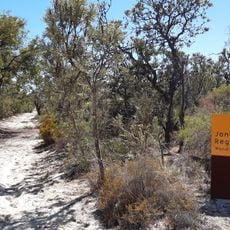
The park is open daily and offers trails of varying difficulty for hikers of all levels. Facilities such as picnic areas and overnight options help with planning a longer visit.
The Serpentine Falls form a natural pool at the base of granite outcrops that fills most strongly during wetter months. This seasonal water flow transforms the location across different times of year.
The community of curious travelers
AroundUs brings together thousands of curated places, local tips, and hidden gems, enriched daily by 94,049 contributors worldwide.