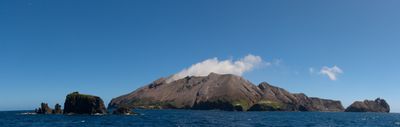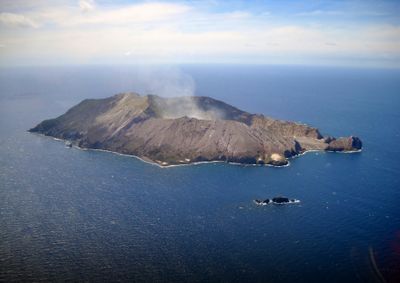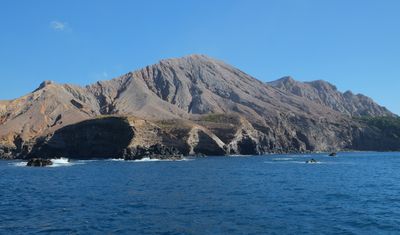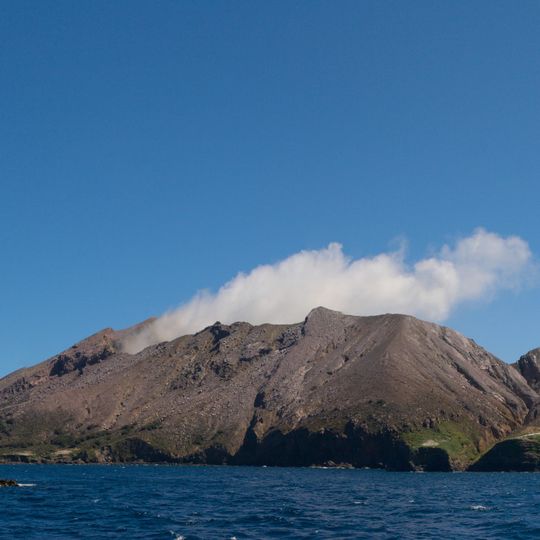
Whakaari / White Island, Active stratovolcano in Bay of Plenty, New Zealand
Whakaari / White Island is an active volcanic island in the Bay of Plenty Region in New Zealand, sitting about 30 miles (50 kilometers) offshore. Most of the volcano lies underwater, with only the upper crater and surrounding slopes rising above sea level.
James Cook sighted the island in 1769 during his Pacific voyages and named it White Island after the rising steam clouds. Between 1885 and the early 1930s, several groups attempted to mine sulfur without lasting success, with a landslide in 1914 claiming the lives of eleven workers.
The Ngāti Awa people serve as traditional guardians of the island, which they named Whakaari, meaning to make visible in Māori language.
Access to the island has been prohibited since the December 2019 eruption, and authorities monitor activity through sensors around the clock. On clear days the steam plumes can be seen from the coast, especially from elevated points in the Bay of Plenty Region.
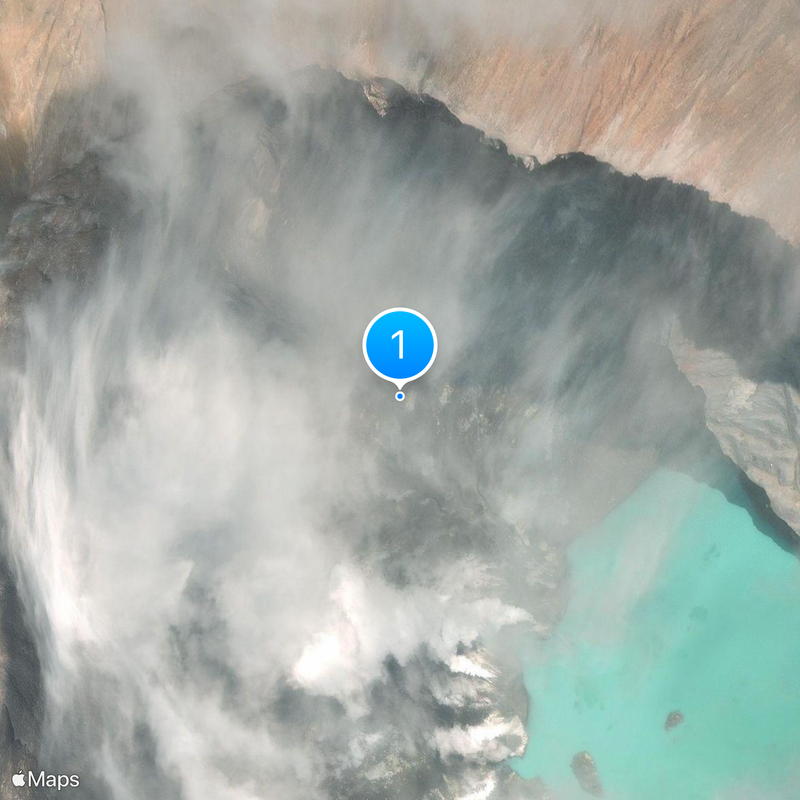
The island was one of the most accessible active marine volcanoes in the world, attracting thousands of visitors before its closure in 2019. The remains of the early 20th century sulfur mining operation, including rusted machinery and collapsed buildings, still stand within the crater.
The community of curious travelers
AroundUs brings together thousands of curated places, local tips, and hidden gems, enriched daily by 90,965 contributors worldwide.