San Pedro y San Pablo de Patale, Spanish Colonial mission site near Tallahassee, United States.
San Pedro y San Pablo de Patale was a Spanish Franciscan mission built in the early 17th century six miles east of Tallahassee, Florida, to convert Timucuan and Apalachee Indians. It stood until 1704, when a militia of Creek Indians and South Carolinians captured it. The site was listed on the National Register of Historic Places on June 26, 1972.
San Pedro y San Pablo de Patale was built in the early 17th century as a Spanish Franciscan mission six miles east of Tallahassee, part of Spain's effort to colonize the Florida Panhandle and convert the Timucuan and Apalachee Indians to Christianity. It lasted until 1704, when a militia of Creek Indians and South Carolinians captured it. The site was added to the U.S. National Register of Historic Places on June 26, 1972.
The mission brought together Spanish Franciscan priests and local Apalachee and Timucuan peoples in a shared space. The site served as a meeting place where different ways of living and believing came together.
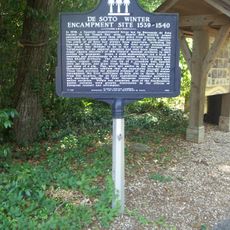
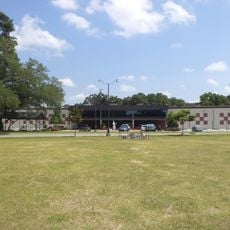
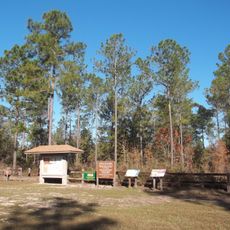
The site lies six miles east of Tallahassee, in the Florida Panhandle. It was listed on the U.S. National Register of Historic Places on June 26, 1972. The mission itself no longer stands, so look for the marked location rather than buildings.
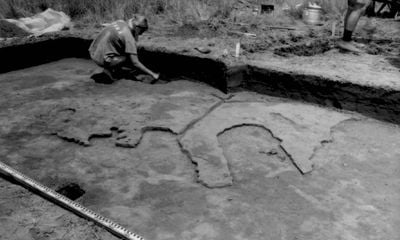
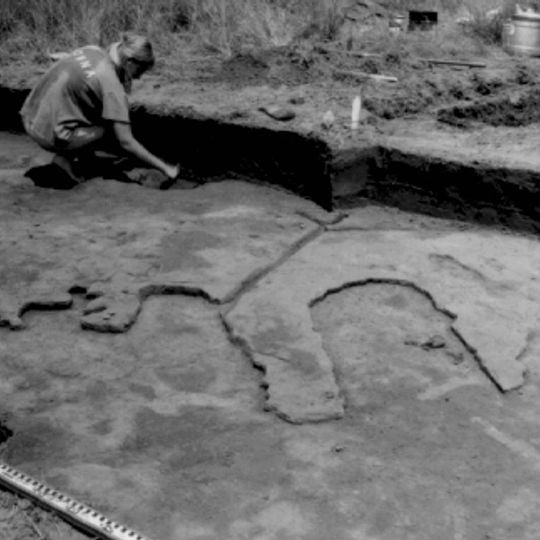
Archaeological digs in the 1970s uncovered the mission's exact layout beneath the ground, revealing where religious buildings and living quarters once stood. The discoveries show how Spanish clergy and Indigenous converts shared the same physical spaces.
The community of curious travelers
AroundUs brings together thousands of curated places, local tips, and hidden gems, enriched daily by 94,047 contributors worldwide.