Anhaica, 16th-century Native American settlement in Tallahassee, United States
Anhaica is an archaeological site in Tallahassee, Florida, preserving the remains of an Apalachee village that once served as the main settlement of the region. Excavations have uncovered residential buildings, storage areas, and spaces used for communal and religious purposes.
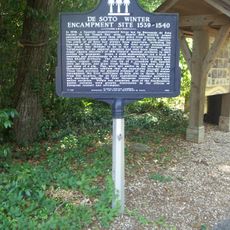
In the winter of 1539, Hernando de Soto's expedition camped at the village, marking one of the first extended contacts between Spanish explorers and the Apalachee people. After the Spanish left, the Apalachee continued to live in the area for generations.
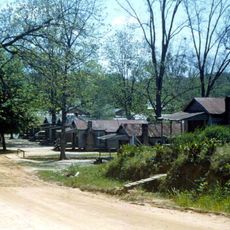
The name Anhaica comes from the Apalachee language and refers to the water sources that shaped where and how people settled here. The layout of the village, with buildings grouped around open central spaces, shows how the community organized its daily life and gatherings.
The site is outdoors and exposed to sun, so sturdy shoes and water are a good idea before you start exploring. Marked trails and on-site signs help visitors understand what each excavated area represents.
Beads with a seven-layer chevron pattern were found during excavations, pointing to direct trade between the Apalachee and European visitors. Objects like these are rarely found at sites of this period and show that goods were already moving between indigenous and Spanish communities early on.
The community of curious travelers
AroundUs brings together thousands of curated places, local tips, and hidden gems, enriched daily by 60,000 contributors worldwide.