Pavillon de Flore, Royal pavilion at Louvre Palace in Paris, France
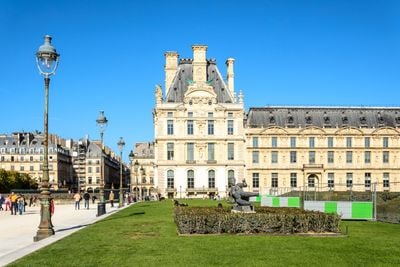
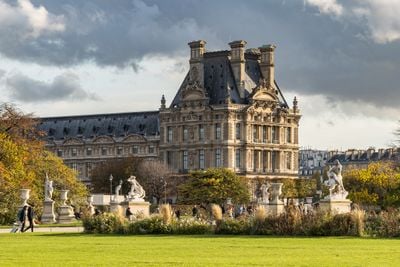
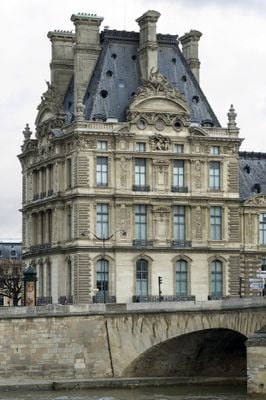
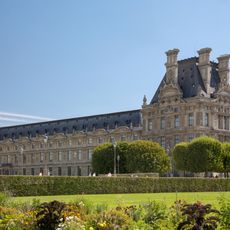
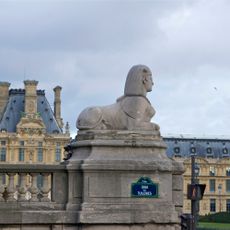
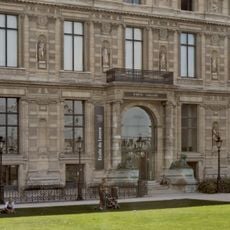
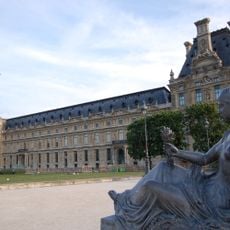
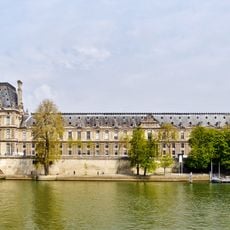
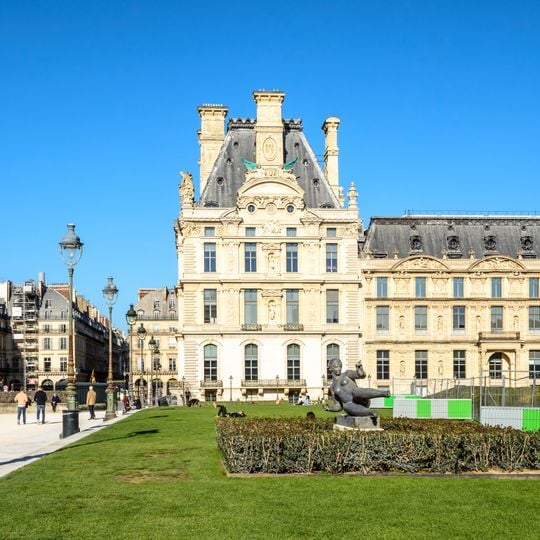
The Pavillon de Flore stands at the southwest corner of the Louvre Palace and connects the Grande Galerie with the former Tuileries Palace site. The multi-story structure rises above the rest of the complex with its richly decorated facade and steep mansard roof covered in slate tiles.
The pavilion was built in 1607 during the reign of Henry IV as part of the Louvre expansion. Architect Hector Lefuel substantially rebuilt it between 1864 and 1868, giving it the appearance it has today in the style of Napoleon III.
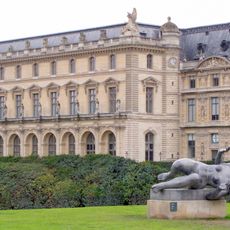
Jean-Baptiste Carpeaux created the monumental sculpture The Triumph of Flora for the south facade during the Second Empire period. The stonework shows figures from ancient mythology gathering around the Roman goddess of spring and celebrating the transition from winter to renewal.
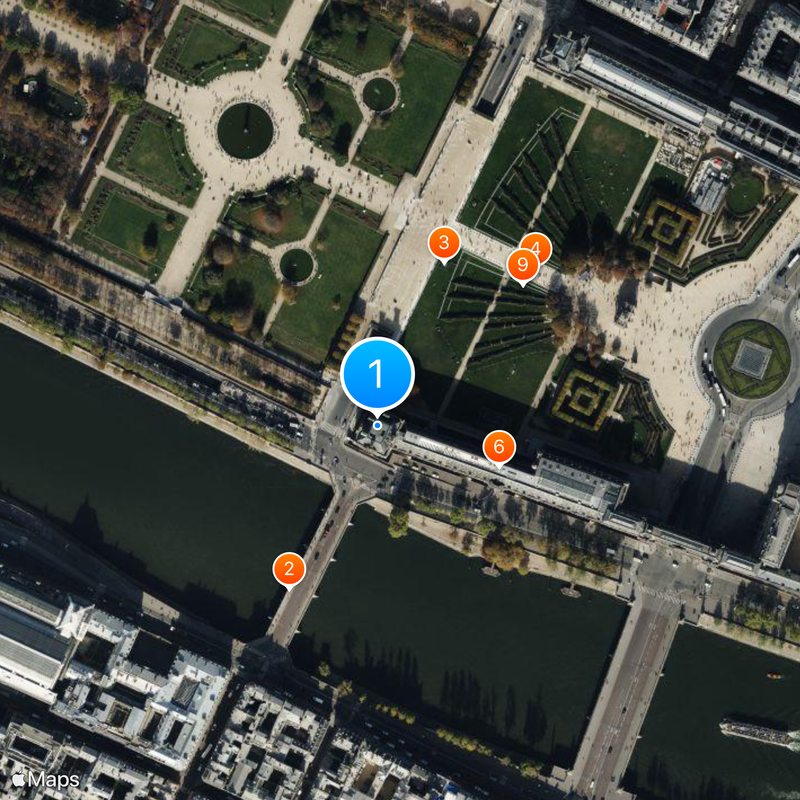
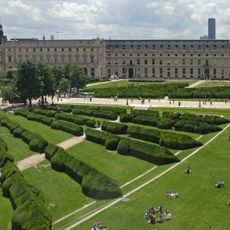
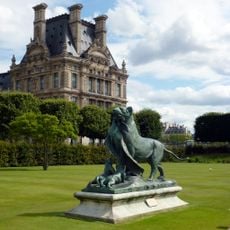
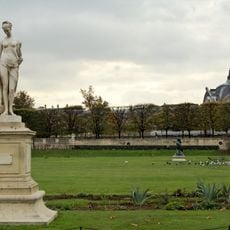
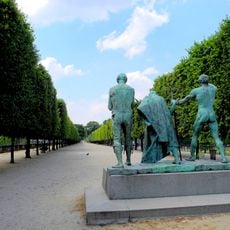
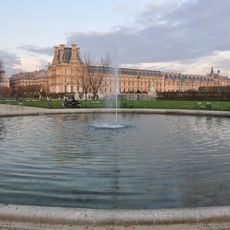
The pavilion forms part of the Denon Wing of the Louvre Museum and marks the connection point between different sections of the museum complex. Visitors can view the exterior facade best from the Carrousel Garden located south of the building.
During the French Revolution, the structure was renamed Pavillon de l'Égalité and served as headquarters for the Committee of Public Safety. Robespierre and other leading revolutionaries made decisions about the fate of France here during this period.
The community of curious travelers
AroundUs brings together thousands of curated places, local tips, and hidden gems, enriched daily by 91,518 contributors worldwide.