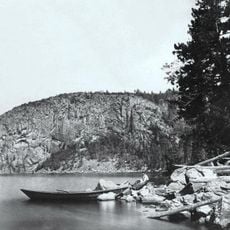
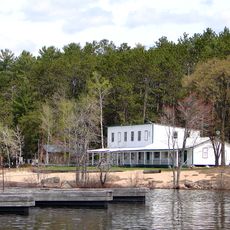
NRX, Decommissioned heavy water moderated, light water cooled, nuclear research reactor at the Canadian Chalk River Laboratories (Canada)
NRX was Canada's first major research reactor, beginning operations in 1947 using heavy water to control nuclear reactions and produce intense neutron beams. The facility featured a large metal vessel with numerous tubes for fuel and experimental materials, with reactor power managed by adjusting heavy water levels and control rods.
The reactor emerged after World War II from collaboration between Canada, Britain, and the United States, becoming the world's most powerful research reactor at its start. In 1952, a major accident occurred when control rods stuck in a partially withdrawn position, causing overheating and core damage but leading to important advances in reactor safety practices.
The site occasionally opens for visits or presentations to show how the work is being conducted and the safety measures in place. Since maintenance and decontamination work continues, check current access guidelines and arrange visits in advance.
The 1952 accident was the first major nuclear incident outside the Soviet Union and later attracted attention because US Navy personnel, including future President Jimmy Carter, helped with cleanup efforts. This event shaped global reactor safety standards and demonstrated how international cooperation worked during nuclear emergencies.
The community of curious travelers
AroundUs brings together thousands of curated places, local tips, and hidden gems, enriched daily by 92,718 contributors worldwide.